Tweet
Tweet
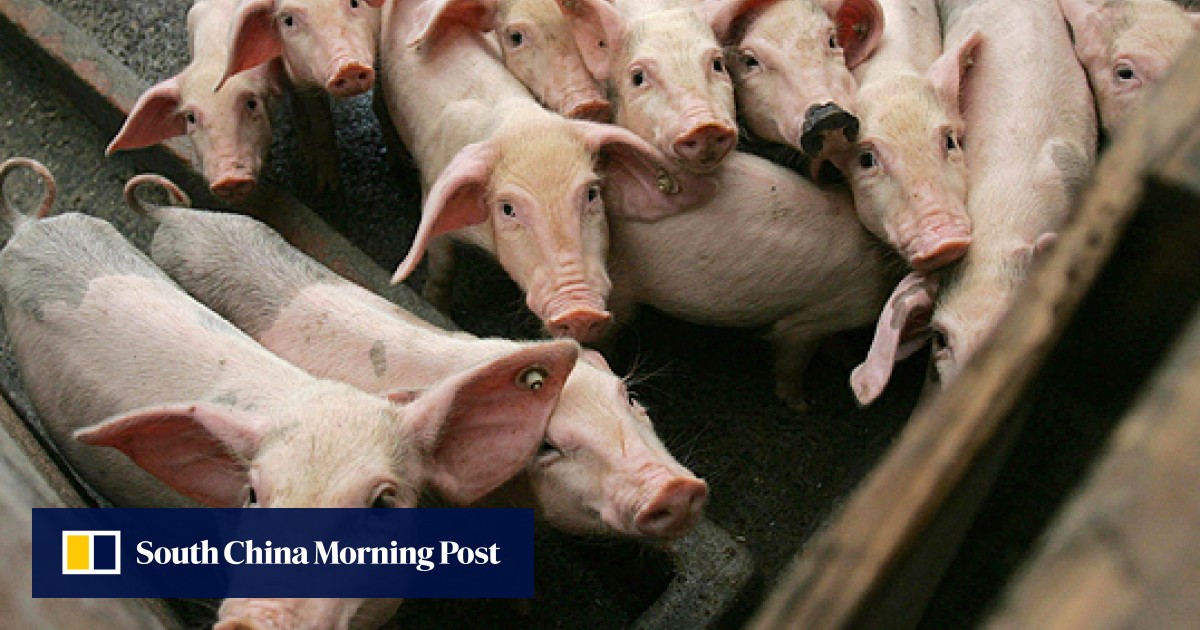
Scientists said on Wednesday that flu infections were rising among pigs raised for slaughter on farms in south and southeastern China, also plagued by bird flu.
And the risk of spillover to humans was ?constant or growing?, according to one of the authors of a study published in Proceedings of the Royal Society B.
Pigs are an important source of new human strains of influenza A, such as the 2009-10 H1N1 pandemic that emerged in Mexico and infected an estimated fifth of the world?s population.
Pigs can act as a ?mixing vessel? in a process known as re-assortment, brewing new flu strains from swine, poultry and human viruses in areas where they live in close proximity.
Such new hybrids can be deadly ? tens of millions of people died in flu pandemics in 1918, 1957 and 1968.
Luckily, the 2009 strain was about as lethal as the ordinary seasonal flu, though highly infectious.
China is currently in the grips of a deadly H7N9 bird flu virus that has killed 27 people since March, mainly in the country?s east ? overlapping with the study area.
..
And the risk of spillover to humans was ?constant or growing?, according to one of the authors of a study published in Proceedings of the Royal Society B.
Pigs are an important source of new human strains of influenza A, such as the 2009-10 H1N1 pandemic that emerged in Mexico and infected an estimated fifth of the world?s population.
Pigs can act as a ?mixing vessel? in a process known as re-assortment, brewing new flu strains from swine, poultry and human viruses in areas where they live in close proximity.
Such new hybrids can be deadly ? tens of millions of people died in flu pandemics in 1918, 1957 and 1968.
Luckily, the 2009 strain was about as lethal as the ordinary seasonal flu, though highly infectious.
China is currently in the grips of a deadly H7N9 bird flu virus that has killed 27 people since March, mainly in the country?s east ? overlapping with the study area.
..