

Pathfinder
Editor, Senior Moderator
Zika and Sexual Transmission
Zika virus can be spread by a man to his partner during sex. It may be possible for a man to carry Zika and give it to his partner(s) through sex, even when he does not have symptoms, or know that he is infected. Because Zika can cause microcephaly and other severe fetal brain defects, take steps to prevent infection during your pregnancy. Couples with male partners who live in or travel to areas with Zika, can take steps to protect the pregnancy.
To prevent spreading Zika through sex, couples should use a condom every time they have sex or not have sex during the pregnancy. To be effective, condoms must be used correctly (warning: this link contains sexually graphic images) from start to finish, every time you have sex. This includes vaginal, anal and oral (mouth-to-penis) sex.
Not having sex is the only way to be sure that you do not get Zika virus from sex.
Both men and women should also take steps to prevent mosquito bites while in an area with Zika to prevent further spread of the virus. Even if they do not feel sick, travelers returning to the United States from an area with Zika should take steps to prevent mosquito bites for 3 weeks so they do not spread Zika to uninfected mosquitoes.
Couples who are concerned that the male partner may have or had Zika should tell their healthcare provider about
It may be possible for a man to carry Zika and give it to his partner(s) through sex, even when he does not have symptoms, or know that he is infected. Couples with a male partner who lives in or traveled to an area with Zika that are concerned about sexual transmission of Zika should consider using a condom every time they have vaginal, anal and oral (mouth-to-penis) sex, or not having sex. To be effective, condoms must be used correctly (warning: this link contains sexually graphic images) from start to finish, every time during sex.
The timeframe for using condoms or waiting to have sex will vary based on the couple’s situation and concerns and are listed below.
Couples who do not want to get pregnant should use the most effective birth control methods that can be used correctly and consistently, in addition to condoms. Talk to your healthcare provider about what steps you can take.
Couples trying to become pregnant
Men and women who live in or have traveled to an area with Zika who are concerned about trying to get pregnant should talk to their healthcare providers. CDC recently released updated guidelines that can help healthcare providers talk to a woman and her partner about pregnancy planning after possible exposure to Zika, including suggested wait times for conception.
Others concerned about getting Zika from a sex partner
Sexual activities that put someone at risk for Zika if their partner is infected
Zika can be spread through sex, including vaginal and anal sex, from a man infected with Zika to his partner. We do not know if Zika can be spread through oral sex. But since Zika is known to be spread through semen, it may be possible for a man to spread Zika to his partners through oral (mouth-to-penis) sex. We do not know if Zika can be spread from other body fluids during sex, including saliva and vaginal fluids. To date, there are no known cases of a woman infected with Zika spreading it to her sex partners.
For these reasons, CDC recommends either using condoms for, or not having vaginal, anal, and oral (mouth-to-penis) sex for couples with a male partner who might have Zika. There are currently no recommended precautions for other types of oral sex, including mouth-to vagina or mouth-to-anus sex.
Testing
Zika virus testing is recommended for people who may have been exposed to Zika through sex and who have Zika virus symptoms. Possible sexual exposure to Zika can happen when someone has vaginal, anal, or oral (mouth-to-penis) sex without a condom with a man who lives in or traveled to an area with Zika.
A pregnant woman with possible sexual exposure to Zika virus should be tested if either she or her male partner develop symptoms of Zika.
Testing blood or semen is not recommended to determine the risk of sexual transmission of Zika virus.
Because Zika virus can remain in semen longer than blood, someone might have a negative blood test but still have Zika virus in their semen.
We have a limited understanding of how to interpret the results of semen tests. Studies are underway to better understand this issue. As we learn more, these tests may become more helpful for determining the risk of sexual transmission of Zika.
Additional Resources

Zika and Sex: Information for men with pregnant partners living in areas with Zika
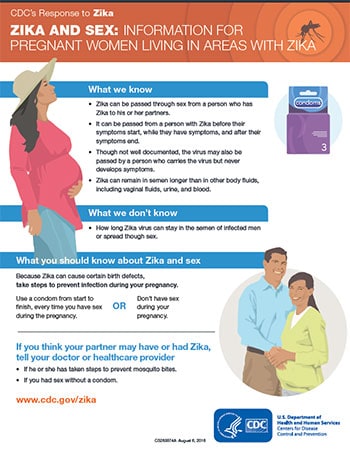
Zika and Sex: Information for pregnant women living in areas with Zika
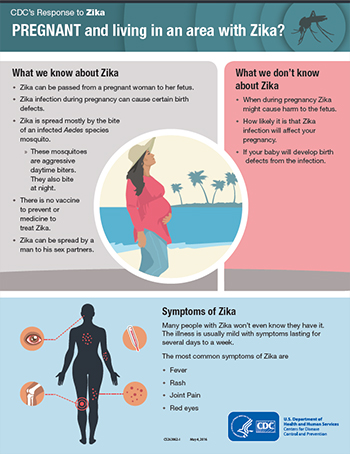
Pregnant and living in an area with Zika?
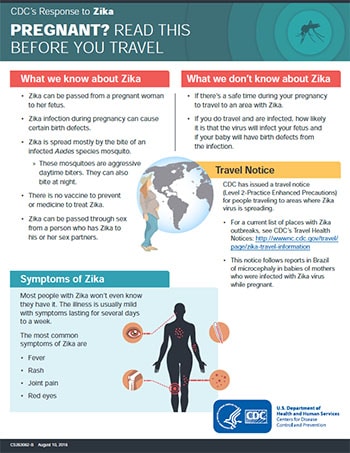
Pregnant? Read this before you travel
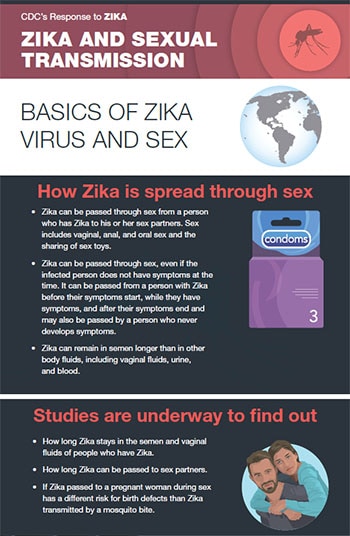
Zika and Sexual Transmisssion: What we know and what we don’t know
File Formats Help:
How do I view different file formats (PDF, DOC, PPT, MPEG) on this site?
[/COLOR]
- Interim Guidelines for Prevention of Sexual Transmission of Zika Virus — United States, 2016
- Thinking About Becoming Pregnant?
- Zika virus can be spread during sex by a man infected with Zika to his partners.
- In known cases of sexual transmission, the men had Zika symptoms. From these cases, we know the virus can be spread when the man has symptoms, before symptoms start, and after symptoms end.
- The virus can stay in semen longer than in blood.
- We do not know how long the virus can stay in the semen of men who have had Zika.
- We do not know if men infected with Zika who never develop symptoms can have the virus in their semen or spread Zika through sex.
- We do not know if a woman can spread Zika to her sex partners.
- We do not know if Zika can be spread through oral sex.
- Although there are no known cases of Zika transmission from mouth-to-penis oral sex, Zika is known to be spread through semen. It may be possible for a man to spread Zika to his partners through oral (mouth-to-penis) sex.
- It is not known if Zika can be spread from other body fluids that may be exchanged during oral sex, including saliva and vaginal fluids.
Zika virus can be spread by a man to his partner during sex. It may be possible for a man to carry Zika and give it to his partner(s) through sex, even when he does not have symptoms, or know that he is infected. Because Zika can cause microcephaly and other severe fetal brain defects, take steps to prevent infection during your pregnancy. Couples with male partners who live in or travel to areas with Zika, can take steps to protect the pregnancy.
To prevent spreading Zika through sex, couples should use a condom every time they have sex or not have sex during the pregnancy. To be effective, condoms must be used correctly (warning: this link contains sexually graphic images) from start to finish, every time you have sex. This includes vaginal, anal and oral (mouth-to-penis) sex.
Not having sex is the only way to be sure that you do not get Zika virus from sex.
Both men and women should also take steps to prevent mosquito bites while in an area with Zika to prevent further spread of the virus. Even if they do not feel sick, travelers returning to the United States from an area with Zika should take steps to prevent mosquito bites for 3 weeks so they do not spread Zika to uninfected mosquitoes.
Couples who are concerned that the male partner may have or had Zika should tell their healthcare provider about
- His travel history
- How long he stayed
- If he took steps to prevent mosquito bites
- If you had sex without a condom
It may be possible for a man to carry Zika and give it to his partner(s) through sex, even when he does not have symptoms, or know that he is infected. Couples with a male partner who lives in or traveled to an area with Zika that are concerned about sexual transmission of Zika should consider using a condom every time they have vaginal, anal and oral (mouth-to-penis) sex, or not having sex. To be effective, condoms must be used correctly (warning: this link contains sexually graphic images) from start to finish, every time during sex.
The timeframe for using condoms or waiting to have sex will vary based on the couple’s situation and concerns and are listed below.
- Couples who include a man who has been diagnosed with Zika or had symptoms of Zika should consider using condoms or not having sex for at least 6 months after symptoms begin. This includes men who live in and men who traveled to areas with Zika.
- Couples who include a man who traveled to an area with Zika but did not develop symptoms of Zika should consider using condoms or not having sex for at least 8 weeks after their return.
- Couples who include a man who lives in an area with Zika but has not developed symptoms of Zika should consider using condoms or not having sexwhile there is Zika in the area.
- The mild nature of the illness for most people*
- The couple’s plans for pregnancy.
- The couple’s access to condoms and other contraception;
- The couple’s desire for intimacy, including willingness to use condoms or not have sex; and
- The couple’s ability to use condoms or not have sex.
Couples who do not want to get pregnant should use the most effective birth control methods that can be used correctly and consistently, in addition to condoms. Talk to your healthcare provider about what steps you can take.
Couples trying to become pregnant
Men and women who live in or have traveled to an area with Zika who are concerned about trying to get pregnant should talk to their healthcare providers. CDC recently released updated guidelines that can help healthcare providers talk to a woman and her partner about pregnancy planning after possible exposure to Zika, including suggested wait times for conception.
Others concerned about getting Zika from a sex partner
- At this time, there is no evidence that women can transmit Zika virus to their sex partners.
- Only people whose male sex partners live in or have traveled to an area with Zika transmission need to be concerned about getting Zika from sex.
Sexual activities that put someone at risk for Zika if their partner is infected
Zika can be spread through sex, including vaginal and anal sex, from a man infected with Zika to his partner. We do not know if Zika can be spread through oral sex. But since Zika is known to be spread through semen, it may be possible for a man to spread Zika to his partners through oral (mouth-to-penis) sex. We do not know if Zika can be spread from other body fluids during sex, including saliva and vaginal fluids. To date, there are no known cases of a woman infected with Zika spreading it to her sex partners.
For these reasons, CDC recommends either using condoms for, or not having vaginal, anal, and oral (mouth-to-penis) sex for couples with a male partner who might have Zika. There are currently no recommended precautions for other types of oral sex, including mouth-to vagina or mouth-to-anus sex.
Testing
Zika virus testing is recommended for people who may have been exposed to Zika through sex and who have Zika virus symptoms. Possible sexual exposure to Zika can happen when someone has vaginal, anal, or oral (mouth-to-penis) sex without a condom with a man who lives in or traveled to an area with Zika.
A pregnant woman with possible sexual exposure to Zika virus should be tested if either she or her male partner develop symptoms of Zika.
Testing blood or semen is not recommended to determine the risk of sexual transmission of Zika virus.
Because Zika virus can remain in semen longer than blood, someone might have a negative blood test but still have Zika virus in their semen.
We have a limited understanding of how to interpret the results of semen tests. Studies are underway to better understand this issue. As we learn more, these tests may become more helpful for determining the risk of sexual transmission of Zika.
Additional Resources
Zika and Sex: Information for men with pregnant partners living in areas with Zika
Zika and Sex: Information for pregnant women living in areas with Zika
Pregnant and living in an area with Zika?
Pregnant? Read this before you travel
Zika and Sexual Transmisssion: What we know and what we don’t know
File Formats Help:
How do I view different file formats (PDF, DOC, PPT, MPEG) on this site?
[/COLOR]
- Page last reviewed: February 21, 2016
- Page last updated: May 10, 2016