
• FluTrackers.com Inc. does not provide medical advice. Information on this web site is collected from various internet resources, and the FluTrackers board of directors makes no warranty to the safety, efficacy, correctness or completeness of the information posted on this site by any author or poster. The information collated here is for instructional and/or discussion purposes only and is NOT intended to diagnose or treat any disease, illness, or other medical condition. Every individual reader or poster should seek advice from their personal physician/healthcare practitioner before considering or using any interventions that are discussed on this website. By continuing to access this website you agree to consult your personal physican before using any interventions posted on this website, and you agree to hold harmless FluTrackers.com Inc., the board of directors, the members, and all authors and posters for any effects from use of any medication, supplement, vitamin or other substance, device, intervention, etc. mentioned in posts on this website, or other internet venues referenced in posts on this website.
  • We are not asking for any donations. Do not donate to any entity who says they are raising funds for us.

Poland - Media Reports Of Unusual Cat Deaths - June 21, 2023 - reportedly "influenza", ECDC RIsk Assessment & OFFLU Statement - Food Chain Concerns -

Michael Coston

Editor, Senior Moderator
Media Reports Of Unusual Cat Deaths In Poland
AVvXsEg20njVErFvfF10AZcQfRSIxnE6jsgkkPCaaFisaoypAdMK--WURrhaBjpB8QtvU8Ra5TbpCkckSZm7bUOWVF9iQGcJdQz_hfkRzjasY8D32ZLNIjQ68u5L_SFL5alW0lVsrQUY99CiadSr65EiCvNgmYuczzZtxeRaDY0eExEIbKmZhN_H7dxkQA=w200-h148


#17,504

Overnight there are literally dozens of media reports of unusual cat deaths across Poland due to an as-yet unidentified cause. Most appear to be `echo' reports, based on a limited number of incidents.

While many causes are possible - including deliberate or accidental poisonings - with recent reports of avian flu affecting cats in the United States, Canada and France, media speculation is running high.​


While a hyperbole warning is in effect, a few link to (Polish Language) reports include:


The primary source for these reports appears to be a combination of anecdotal reports from across Poland, and an alert issued on Facebook by SpecVet - Specjalistyczne Przychodnie Weterynaryjne (SpecVet - Specialist Veterinary Clinics) which operates at two locations in Warsaw.

A translation of a portion of this alert reads:

For several days in Poland, there have been several cases of illness in cats with neurological and respiratory symptoms.

Disease symptoms such as:
- hyperglycaemia
- dementia
- stiffness of the limbs
- shortness of breath
- anisocoria
- pupils that do not react to light
- convulsions
- seizure attacks
- decrease in saturation
- hypokalaemia
- elevated AST and CK blood parameters
should be urgently consulted with a veterinarian.

Due to the threat posed by this disease, please exercise extreme caution. Do not go for walks with cats, limit contact with raw pork and poultry meat, do not allow contact with wild birds.

Currently, no treatment is effective. There is a high mortality rate, and both young and healthy animals as well as old or sick ones get sick.

#specvet #attention #vet #alert #dangerous #weterynarzwarszawa
#news


Depending upon the source, the number of cats affected range from `several', to `many'. So far, I've seen no hard numbers published.

Although the combination of respiratory and neurological symptoms are generally consistent with avian H5 infection in mammals (Preprint: Pathology Of HPAI H5N1 clade 2.3.4.4b in Wild Terrestrial Mammals in the United States in 2022), thus far we've seen no laboratory evidence supporting that cause.​


Poland's Chief Veterinary Officer is being quoted in the media as saying:

– At the moment, there is no evidence, in particular no laboratory results, that could support the claim that the symptoms described in the media, observed in cats, result from infection with the avian influenza virus and occurred after eating raw meat of any species of slaughter animal, legally traded and obtained in approved slaughterhouses where they underwent ante- and post-slaughter inspections.


Hopefully necropsies and laboratory analyses are ongoing, and we'll learn more in the days ahead.

Up until twenty years ago, cats were thought largely immune to influenza A viruses, but that perception changed after hundreds of captive tigers (and other large cats) died in Southeast Asia after being fed raw poultry contaminated with the H5N1 virus (see HPAI H5: Catch As Cats Can).

For the next dozen years we saw sporadic feline infections with H5, and in 2016 we saw another avian virus - H7N2 - sweep through hundreds of cats in animal shelters in New York City, while also infecting several workers (see J. Virology: Virulence Of A Novel H7N2 Virus Isolated From Cats In NYC - Dec 2016).​


Although the risk of contracting HPAI from a companion animal is considered very low, it is not zero.

Which is why the CDC, and other public health agencies around the world, have issued guidance to pet owners on how to best protect their animals from undo exposure (see Bird Flu in Pets and Other Animals).


https://afludiary.blogspot.com/2023/06/media-reports-of-unusual-cat-deaths-in.html
 
Last edited:
Translation Google


A mysterious disease attacks cats. They die quickly. Vets: we are unable to help them

TVN24|Pomorze

June 21, 2023, 14:36
Author:ng/current
Source:TVN24


An unidentified disease takes its toll among cats. Veterinarians have no idea what disease they are dealing with, similar symptoms occur among cat patients all over Poland. In the Tri-City Veterinary Clinic, out of 13 cats that came to the facility from Friday, only three remained alive. - We are trying to introduce various treatment schemes, but none of them is effective today - says the director of the Tri-City Veterinary Clinic, Paulina Grzelakowska.

For several days, signals have been coming from all over Poland about a significant increase in sudden, mysterious diseases and deaths among cats. Veterinary practices, animal shelters, breeders and private owners provide information on this subject online.

Veterinarians are sounding the alarm so that owners of domestic cats take all precautions and do not let them outside. They also recommend limiting your pets' contact with raw pork and poultry as a precaution, and keeping them out of contact with wild birds.

Symptoms non-specific, animals die in a short time

The disease has an acute course, in animals there are m.in. high fever, shortness of breath and neurological disorders, and progresses very rapidly. Apart from the symptoms, veterinarians have not yet been able to find a common denominator for their patients, because cases of the disease affect both outdoor and indoor cats, young and old. So far, no patient with these symptoms has been saved. Samples taken from dead animals were sent to the National Veterinary Institute in Puławy.

- According to our observations, the situation has been going on since Friday. Since then, 13 cats have come to us, of which 10 of them unfortunately failed to help. Animals die in a short time. Blood tests show elevated liver parameters, thrombocytopenia. These are very non-specific symptoms and we are unable to help them. We are doing everything we can to keep them alive, but the prognosis of those that remain with us is also poor. We don't know what's wrong with them. We have different suspicions. In the case of our patients, we verify what of the things we consider could have had an impact. We are trying to introduce various treatment schemes, but none of them is effective today - says Paulina Grzelakowska, director of the Tri-City Veterinary Clinic in Gdańsk.

As he emphasizes, at the moment the hospital of the Tri-City Veterinary Clinic only accepts feline patients with this disease entity.

"We have no idea what we're up against"

- We do not accept other cats because we do not know what we are dealing with. We also haven't been able to determine whether they can be infected from each other. We try to help animals without these symptoms on an ongoing basis in our outpatient clinics - adds Grzelakowska.

He also points out that at the moment, doctors are unable to diagnose animals before they show symptoms of the disease.

- We do not know what laboratory tests we should use to determine whether a given cat is already sick with this entity, because we have no idea what we are dealing with. We hope that the results of the autopsy will help us find the cause of the disease - he explains.

The Chief Veterinary Officer referred to the alarming reports for cat owners.

- At the moment, there is no evidence, in particular no laboratory results, that could support the claim that the symptoms described in the media, observed in cats, result from infection with the avian influenza virus and occurred after eating raw meat of any species of slaughter animal, legally traded and obtained in approved slaughterhouses where they underwent ante- and post-mortem inspection.

It was also emphasized that, according to the data of the World Organization for Animal Health, only two cases of infection of domestic cats with avian influenza viruses have been confirmed in the world so far.

The Chief Veterinary Officer assured that he is in close contact with scientific institutions in the field of veterinary medicine and the authorities of the National Chamber of Veterinary Medicine in order to clarify the situation and will take action appropriate to the situation if he has new data.

https://tvn24.pl/pomorze/tajemnicza...ynarze-nie-jestesmy-w-stanie-im-pomoc-7184380

---------------------------------------------

June 23, 2023, 16:17

What kills cats? Samples taken from dead animals were tested. There are preliminary research results

TVN24 | Pomerania

June 23, 2023, 16:17
Author:ng/current
Source:TVN24

Mysterious cat disease

The Chief Veterinary Inspectorate informed that influenza virus was detected in four samples taken from dead cats in the Tri-City. Scientists will analyze what type of virus they are dealing with. Full and final results are due to be announced after the weekend.

For several days, signals have been coming from all over Poland about a significant increase in sudden, mysterious diseases and deaths among cats. Veterinary practices, animal shelters, breeders and private owners provide information on this subject online. The Chief Veterinary Inspectorate is closely monitoring the development of the situation.

Mysterious disease of cats. There are preliminary research results

- Currently, the Veterinary Inspection is at the stage of collecting as much information as possible that can be confirmed by scientific methods. In-depth studies are being carried out on samples taken from animals that fell ill with an unknown etiology of the disease. Based on the preliminary results of laboratory tests (samples from the Tri-City area), carried out at the National Veterinary Institute in Puławy, the cause of the disease is the influenza virus, informed the General Inspector for Influenza.

As he emphasizes, research in this area is carried out constantly. Currently, the GVI is waiting for the results of new research on the basis of which they will be able to draw further conclusions.

For now, there is no confirmation that the disease that affects cats is related to the avian influenza virus. In an officially issued communiqué, the General Inspector of Warsaw emphasized on Wednesday that so far only two cases of infection of domestic cats with diseases originating from birds have been confirmed worldwide.

Cats have a mysterious disease. How to protect them?

Veterinarians are still sounding the alarm so that owners of domestic cats take all precautions and do not let them outside. They also recommend that you limit your pets' contact with raw meat as a precaution, keep them out of contact with wild birds, and thoroughly sanitize your hands and shoes upon entering your home.

The disease has an acute course, in animals there are m.in. high fever, shortness of breath and neurological disorders, and progresses very rapidly. The disease affects both outdoor and indoor cats, young and old.

- Animals die in a short time. Blood tests show elevated liver parameters, thrombocytopenia. These are very non-specific symptoms and we are unable to help them. (...) We are trying to introduce various treatment schemes, but none of them is effective today - said Paulina Grzelakowska, director of the Tri-City Veterinary Clinic in Gdańsk, on Wednesday.

She emphasized that she hopes that the results of the post-mortem examination will help find the cause of the disease.


https://tvn24.pl/pomorze/koty-tajemnicza-choroba-czy-to-ptasia-grypa-sa-wstepne-wyniki-badan-7188560
 
Translation Google


JUNE 21, 2023

PWLW announcement regarding cases of cat diseases

The Pomeranian Voivodeship Veterinary Officer informs that in connection with the information coming to this Inspectorate regarding cases of sudden illnesses of cats in the province. Pomeranian, started cooperation with the President of the Kashubian-Pomeranian Medical and Veterinary Chamber. In order to assess the situation, data from animal treatment facilities were collected, which show that the highest morbidity and mortality of cats with neurological and respiratory symptoms concerns notifications from treatment facilities in the City of Gdańsk. The information obtained so far shows that in the last two weeks, 28 such cats were sent to medical facilities in Gdańsk and the Gdańsk district, of which 25 did not survive. In the remaining poviats, medical facilities did not report the cases in question or reported single cases.

In addition to the above, I am submitting a message from the Chief Veterinary Officer.

"In connection with information appearing in social media about alleged infections of domestic cats with avian influenza viruses, the Chief Veterinary Officer informed that:

At the moment, there is no evidence, and in particular no laboratory results, that could support the claim that the symptoms reported in the media, observed in cats, are due to infection with avian influenza virus and occurred after eating raw meat of any species of slaughter animal, legally traded and obtained in approved slaughterhouses where they have undergone ante- and post-mortem inspection.

According to the data of the World Organization for Animal Health, so far only 2 cases of infection of domestic cats with avian influenza viruses have been confirmed in the world (source: https://wahis.woah.org ).

According to the current state of knowledge, the avian influenza virus poses a threat to domestic and wild birds. The Chief Veterinary Officer is in close contact with scientific institutions in the field of veterinary medicine and the authorities of the National Chamber of Veterinary Medicine in order to clarify the situation.

In the case of new data, the CVO will take action appropriate to the situation and possible threat to animal health in accordance with the principles adopted by law.”


https://www.gdansk.wiw.gov.pl/komunikat/2439
 
Translation Google

Mysterious disease of cats. PIW: We have identified the avian influenza virus of the H5N1 subtype

4 hours ago

The causes of sudden fatal diseases in cats are being investigated. Such cases were found in several poviats in Poland, e.g. in the north of the country and in Wrocław. Preliminary results from the H5N1 avian influenza virus were published today.

The cats got sick with bird flu

Sudden cat illnesses are accompanied by neurological and respiratory symptoms, described as non-specific, which means that they do not indicate a specific disease entity. Veterinarians from various cities in Poland at the beginning of the week began to provide information on cases of sudden illnesses that end in the death of animals.

The case, in accordance with the procedures applicable to hospitals, was reported to veterinary inspectorates. A study was ordered to determine the cause of death of the cats. On Friday (June 23), the Chief Veterinary Officer announced in a statement that the preliminary results were known.

In-depth studies are being carried out on samples taken from animals that fell ill with an unknown etiology of the disease. Based on the preliminary results of laboratory tests (samples from the Tri-City area), carried out at the National Veterinary Institute in Puławy, the cause of illness is the influenza virus. We are currently waiting for the results of new studies that are constantly being conducted. Only after doing so can we draw further conclusions.

Research is being conducted at the National Veterinary Institute in Puławy, where it was confirmed that the cats were infected with avian influenza.

- We have diagnosed samples from four cats in our laboratory as positive for H5N1 avian influenza virus. However, we still need to explain where the infection comes from, which is why we are taking actions to provide an answer - says Professor Dr. Hab. Katarzyna Domańska-Blicharz from PIW in Puławy in an interview with Nowiny.

The genome of the virus will be sequenced to determine its genotype.

"We'll know if it's a gull variant or something else, or if this virus in cats has some changes in the genome that predispose it to mammalian organisms." We're dealing with the avian virus all the time, but it's a virus, and it's probably causing some changes. We are waiting impatiently for the results of the research - explains Professor Dr. Hab. Katarzyna Domańska-Blicharz, adding that these will probably appear next week.

So far, isolated cases of avian influenza in cats have been reported worldwide. However, as the scientist we spoke to adds, the number of signals and reports of infections of wild, predatory, carnivorous animals has increased in the last two years. Following the recommendation of EFSA, the European Commission is considering testing mammals in areas at risk.

I am talking about the whole situation in the world and in Europe, which is quite worrying when it comes to avian influenza. And now we have a very large outbreak of wild birds, especially black-headed gulls in Poland for several months, so it is possible that these cats, who are carnivorous predators, ate something dead. But we need to clear it all up - says the professor.

Specialists from the National Veterinary Institute in Puławy confirm that the cases of illness concern domestic cats, at the same time they point out the possibility that they could have been outdoor cats, which is currently being determined.

GIV is following the case

The Chief Veterinary Inspectorate assures that it closely follows the development of the situation and remains in constant contact with the voivodship branches of the inspectorate "in order to monitor and analyze the situation".

Currently, the Veterinary Inspection is at the stage of collecting as much information as possible that can be confirmed by scientific methods. If new data is obtained, the CVO will take appropriate action, in accordance with the rules adopted in law - informs the General Inspector of Institution, at the same time recommending pet owners to contact veterinarians in the event of any alarming situations regarding animal health.

The case of cat diseases at the beginning of the week became one of the dominant topics on social media. There were suspicions that the source of the disease may be avian influenza. In response to these speculations, which were followed by advice not to give raw poultry meat to cats, the General Inspector of Warsaw issued a statement on Tuesday (20.06.) that "there are no test results that could be a premise for claiming that the media described the symptoms observed in cats are due to infection with avian influenza virus and occurred after eating raw meat of any legally traded species obtained from approved slaughterhouses where ante- and post-mortem inspections have been carried out.

Today, when the results of the research are known, scientists emphasize that the meat that is available in stores has been tested and there is no risk of getting sick this way, also for people who should eat both meat and eggs after heat treatment.

What is the bird flu virus?

Avian influenza occurs worldwide and all bird species are susceptible to contracting the virus, although some species are more resistant than others. To date, more than 140 strains of the virus have been identified. Most of them are benign varieties with low pathogenicity.

Humans can become infected with avian influenza virus through very close direct contact with infected poultry, or with surfaces and objects contaminated with its droppings. Direct contact means carrying or staying within 1 meter of birds or their droppings (birds excrete the virus with feces).

Let's add that so far there are no reports of diseases among cats in Silesia, the case is monitored by poviat inspectorates, veterinarians with whom we have been in contact also know about the situation and follow it on an ongoing basis.


https://www.nowiny.pl/wiadomosci/22...walismy-wirusa-grypy-ptakow-podtypu-h5n1.html
 
Translation Google

Bird flu in Polish cats? Virologist: It doesn't look good

Author
PAULINA WOJTOWICZ
June 24, 2023

Bird flu virus was detected in three Polish cats. This is a sensation, because so far only two cases of death of these animals due to infection with the H5N1 virus have been confirmed in the world. Is there anything to be afraid of? "We are talking about three cases here; it does not mean a cause and effect relationship, but it does not look good" - admits Prof. Krzysztof Pyrć, virologist.

...

Influenza virus in cats

The Chief Veterinary Inspectorate informed that influenza virus was detected in three samples taken from cats that died in the Tri-City. "Based on the preliminary results of laboratory tests carried out at the National Veterinary Institute in Puławy, the cause of the disease is the influenza virus ."

Veterinarians from several provinces have reported the mysterious deaths of cats in recent days. For now, however, there are no test results that would confirm that these animals were also infected with the influenza virus .

Experts are urging cat owners not to let them out for now, at least until the situation clears up.

Virologists about flu cases in Polish cats

Polish virologists referred to these disturbing reports: dr hab. n. med. Tomasz Dzieciątkowski and prof. Krzysztof Pyrc.

" In the past, cats (as well as dogs) were commonly thought to be immune to infection with influenza viruses. We now know that they are susceptible to infection with some influenza A viruses from other species," writes Dr. Dzieciątkowski.

In February 2023, a report was published reporting two deaths of cats (from Nebraska) infected with H5N1. Both cats lived in the same household and showed symptoms of a rapidly progressing neurological disease in a severe form. The first cat died, the second was euthanized. The H5N1 virus was detected in the brain tissue of both.

"Cat flu is thought to spread in the same way as human flu: by direct contact (playing or sleeping together, licking, nose-nusting), by droplet infection, and by contaminated surfaces (such as shared food and water bowls) Some scientific studies suggest that people can also infect cats with seasonal influenza viruses. Less definitely is known about the risk of influenza transmission to humans by an infected cat" - added Dr. Dzieciątkowski.
...
He added that there have been cases of H7N2 avian influenza virus infection in cats in US shelters in recent years, but the infections have resulted in mild respiratory symptoms.

The virologist also addressed the risk of infection with the H5N1 virus, writing that this highly virulent pathogen "can cause severe disease in cats and is spread by contact between cats" .

Prof. Pyrć briefly summed up the topic on his Facebook profile: "We are talking here [in the statement of the Chief Veterinary Officer - ed.] about three cases; this does not mean a cause and effect relationship, but it does not look good." Earlier, he urged: "If you have cats, consider not letting them outside for a while and put your shoes in a cupboard when you get home."

In an interview with "Newsweek", the Krakow virologist once again pointed out that in order to seriously consider the threat, the connection between influenza virus infection and cat deaths must be confirmed. Prof. Pyrć drew attention to the fact that there has been talk of a flu pandemic among birds for some time, and reports of cases of infection with the same virus in mammals are very worrying.

"The greatest concern is the possibility of the emergence of a variant of the virus that would effectively transmit between people. With a mortality rate of 60 percent, this would be extremely dangerous" - he explained.

The expert also mentioned that other possible causes of the mysterious cat deaths are also being investigated. "There are speculations among veterinarians that the new disease may be caused by the rustrel virus, related to the human rubella virus , which has recently appeared in several European countries. We are currently waiting for the results of tests that will confirm or exclude the presence of this virus in the samples."


EXPERTS
Prof. Krzysztof Pyrć — virologist, employee of the Małopolska Center of Biotechnology of the Jagiellonian University. A graduate of the Jagiellonian University, the University of Amsterdam and the University of Lodz. Creator and head of the Virology Laboratory at the Małopolska Center of Biotechnology of the Jagiellonian University.

Dr. hab. n. med. Tomasz Dzieciątkowski — virologist, microbiologist, laboratory diagnostician. Doctor of medical sciences, assistant professor at the Department and Department of Medical Microbiology of the Medical University of Warsaw and assistant at the Department of Microbiology of the University Clinical Center of the Medical University of Warsaw.


https://www.medonet.pl/choroby-od-a...campaign=leo_automatic&srcc=undefined&utm_v=2

------------------------------------

A mysterious cat disease is troubling scientists. "We are most afraid of this scenario"

Today at 12:00
Catherine Burda

High fever, shortness of breath, death - this is the course of the disease that has already attacked several dozen cats in Poland. It has an acute, violent course, and the doctors who come into contact with it are helpless. - Until the final cause of the mysterious diseases is determined, it is better not to let the cats out of the house - says prof. Krzysztof Pyrć, a virologist from the Jagiellonian University.

"Newsweek": The Chief Veterinary Inspectorate issued a statement that influenza virus was detected in three samples taken from cats that died in the Tri-City. "Based on the preliminary results of laboratory tests carried out at the National Veterinary Institute in Puławy, the cause of the disease is the influenza virus." It doesn't sound very scary...

Prof. Krzysztof Pyrć: But it can potentially be dangerous if the cause and effect relationship between the presence of the virus in cats' bodies and their death is confirmed. Today, there is no confirmation of this, only preliminary results that require verification. What we fear the most is that what killed the cats is the H5N1 bird flu virus.

https://www.newsweek.pl/zdrowie-i-n...icza-choroba-kotow-niepokoi-naukowcow/bjhnyv4
 
Communication of the III CVO on the disease of cats


Messages
2023-06-26

The Chief Veterinary Officer informs that:
The results of subsequent tested samples taken from cats from Lublin and Poznań are available.
Until June 26 at 11:00 11 samples were tested at the National Veterinary Institute in Puławy, of which 9 gave a positive result for H5N1 influenza. Positive samples come from Poznań, Tri-City and Lublin. Further detailed studies of the genetic material of viruses are underway. Preliminary research excludes the origin of the influenza virus that has been causing gulls to become ill in recent weeks.
Today, a sanitary and epizootic meeting was held, where a plan for further action was discussed.
Work is underway to establish a protocol for monitoring the disease in cats in order to collect more detailed data on its course and occurrence.
The source of infection has not yet been identified.
By analyzing data from other countries, it was established that the rules to prevent possible contact of cats with the virus should be based on:

  • Keeping cats indoors if possible. Any release of the animal to the balcony or terrace should be preceded by washing the substrates with standard detergents;
  • Preventing contact between cats and other wild animals, including birds;
  • Preventing cats from coming into contact with footwear that is used outside the home;
  • Feeding cats only food from known sources;
  • Washing hands after contact with animals (maintaining standard hygiene rules after coming from the court).
Any new guidelines as well as announcements in the case will be regularly published on the official website ( https://www.wetgiw.gov.pl/main/komunikaty ), in order to provide you with current information .


https://www.wetgiw.gov.pl/main/komunikaty/Komunikat-III-GLW-w-sprawie-choroby-kotow/idn:2283
 
Translation Google

Avian flu among cats. Samples were tested

June 26, 2023 / 14:42

In 9 out of 11 samples taken from dead cats, the bird flu virus was confirmed, the Chief Veterinary Officer informed. The research was conducted by the State Veterinary Institute in Puławy.

Among the tested samples there are also those from two cats that died at the Clinic of the University of Life Sciences in Lublin.

- So far, these are the only cases of cats with influenza virus in our Clinic - says Professor Łukasz Adaszek from the Department of Epizootiology and the Clinic of Infectious Diseases at the University of Life Sciences in Lublin. – They were infected with the bird flu virus, strain H5N1. It begins with general symptoms, i.e. loss of appetite, apathy, weakness. Later, respiratory symptoms appear, i.e. severe shortness of breath, cough and neurological symptoms, i.e. uneven dilation of the pupils, convulsions.

The remaining samples came from dead cats from the Tri-City and Poznań.

The source of infection in cats is still unknown. Detailed studies of the genetic material of viruses are conducted by the State Veterinary Institute in Puławy.

- Unfortunately, we still have not been able to determine the source of infection - says the director of the National Veterinary Institute in Puławy, Professor Stanisław Winiarczyk. “These virus isolates are currently undergoing molecular characterization so that we have full knowledge of the subtype, type or variant of this virus. This will also be used for the epizootic investigation to determine the source of infection. At this point, we do not yet know where this virus came from, what path it traveled until it reached the cat. One thing we know for sure is that it is not a seagull virus.
...
The Chief Veterinary Officer also informed about the sanitary and epizootic meeting that was convened today to discuss further proceedings in the case of cat infections.
...

https://radio.lublin.pl/2023/06/ptasia-grypa-wsrod-kotow-w-pulawach-przebadano-probki/
 
Translation Google

Source of infection still unknown. In Puławy, they are examining samples of dead cats

June 27, 2023 / 17:12

The National Veterinary Institute in Puławy is examining further samples of dead cats for the presence of bird flu. So far, 9 cases of H5N1 influenza in these animals have been confirmed in the country. Infected cats come from Lublin, Poznań and the Tri-City. And the next samples tested in Puławy come from, among others, Warsaw, Lublin, Olsztyn and Wrocław.
...
What Should Cat Owners Concern About Pet Behavior? - The course of the disease is sudden. Animals die within 24-48 hours from the moment of infection - says Jarosław Wiciński, Deputy District Veterinary Officer in Puławy. – There is severe dehydration, lack of appetite. Uncoordinated movements may occur. These symptoms may not be specific, but the owner of this cat will sense anxiety. The course is violent, fast, sudden. So far, no cure has been found for this.

The disease also poses a threat to humans

In such situations, a red light should turn on for us and we should consult such behavior with a veterinarian. – Because it is a disease that also poses a threat to humans. Therefore, we must care for the health of cats as much as we care for our own - emphasizes Jarosław Wiciński.

- A cause for concern is, as with any disease, any problem with animals. You have to be a little worried about such situations - says Agnieszka Śniegocka, president of the Przyjazna Łapa Po Human Foundation for Animals. - If you have a cat, it's best not to let it out of the house. If there are cats that go out, taught almost from a small stay both at home and outside, I would sensitize the owners a bit and because of this disease I tried to get them used to staying at home, let them out as little as possible, so that there would be no unpleasant surprises later.
...
" We must be patient ”

To what extent can this situation be common, and to what extent can these be individual cases in Poland? – I don't want to be a bad prophet – says Jarosław Wiciński. – On the example of African swine fever, when the first cases appeared in Poland in 2014, earlier in Lithuania in 2013, there were several cases. At present, half of the country is infected. Avian influenza is now a common disease in the European Union. There are trends in the development of this disease associated with bird flights, movement from various climate zones – in this way this virus is transmitted. For now, these are isolated cases among cats, but the situation is dynamic. Society is learning more and more about this disease and is starting to look more closely at its cats. We must be patient for now, but considering that it is flu, it is a disease that spreads very quickly in a very short time.

The results of the next samples tested at the Puławy institute are to be known at the end of the week.

LuG/ ed. DySch


https://radio.lublin.pl/2023/06/zro...znane-w-pulawach-badaja-probki-padlych-kotow/
 
Expert on bird flu in cats: it's not just a problem for cat lovers

No case of transmission of the H5N1 avian influenza virus between cats and from cats to humans has ever been confirmed, Dr. hab. Piotr Rzymski, professor at the Medical University of Karol Marcinkowski in Poznań. However, he stipulates that the bird flu virus can change dynamically, there are more and more species of mammals that it has infected in the world, and a year ago it was proved that it was spreading between minks on a Spanish farm.

On Monday, the Main Veterinary Inspectorate announced the results of tests of further samples taken from cats from Lublin and Poznań. Nine out of eleven samples tested at the National Veterinary Institute in Puławy were positive for the H5N1 avian influenza virus. Positive samples come from Poznań, Tri-City and Lublin. More cases were confirmed on Tuesday. Completely independently, the virus was found in one sample from a cat from the province of Mazowieckie, examined at the Warsaw University of Life Sciences - reminded the scientist.

'This clearly indicates that the cats were infected with the avian influenza virus and this was the cause of their death. This confirms earlier suspicions, as the symptoms reported in cats were consistent with those seen in the past in various cats infected with the H5N1 virus. These are shortness of breath and sometimes neurological symptoms' - he concluded.

He reminded that the H5N1 virus has been causing an epidemic among wild and farmed birds in Europe for three years. In the past, although very rarely, there have been cases of infection of felids of different species in the world with this virus. 'No cat-to-human transmission of H5N1 has ever been reported. Just because cats are infected does not mean that the virus can spread further. But that doesn't mean that the risk doesn't exist or can't suddenly appear,' emphasized Prof. Roman.

Commenting on the current situation, Prof. Roman points out that the number of cases is 'relatively high', given the few cases of H5N1 infection in domestic cats documented in the past. He also points out that the infections occurred 'in a short period of time'.

The scientist from the Poznan University of Medical Sciences emphasized that 'influenza viruses use the sialic acid present on their surface to infect cells. There are two main versions: one is predominant in birds and is used by avian influenza viruses such as H5N1, and the other is predominant in mammals. Therefore, mammals, including humans, have little susceptibility to H5N1 infections. However, when it does occur, the results can be tragic. Fewer than a thousand cases of H5N1 infection in humans have been recorded in the last 20 years, but half of them have not survived.'​

'Today we have a similar situation with cats. The H5N1 genotype has emerged capable of infecting cats that are seriously ill and have a high risk of dying,' he added.

'Since the H5N1 virus has been known for a long time, some may wonder why it has not been a threat to mammals such as cats in the past. Influenza viruses are very unstable, they mutate quickly, faster than SARS-CoV-2. That's because they don't have a +protein error-correction system+ that arises spontaneously when their genetic material is multiplied. In addition, genetic reassortment can occur in the world of influenza viruses. The genome of these pathogens consists of eight RNA segments, so when a cell is infected with different strains at the same time, such segments may be exchanged during the replication process. Reassortments are created, and the effects are difficult to predict. The virus can then become more pathogenic and even gain the ability to infect new species. Various reassortments between human, swine and avian influenza viruses resulted in the pandemic H1N1 strain that emerged in 2009.' - said the expert.

'The good news is that we don't currently have a large number of human cases of influenza. This reduces the risk that the human influenza virus will meet with the avian influenza virus, e.g. in the cat's body, reassorting and creating a version of the virus that would be dangerous and transmissible to humans. It would be much more dangerous if we had an autumn-winter season. This does not change the fact that it is urgent to determine the exact source of H5N1 infection in cats and to be careful, especially in contact with sick animals,' the expert concluded.

He also emphasized that although cats were infected with the H5N1 virus in Poland, there were no similar reports from neighboring countries. 'Infection with this virus can occur through respiratory or ingestion. The latter is more likely. The question is whether it is the result of eating contaminated poultry, wild birds, or both. Resolving these issues is important to end the current situation and prevent a public health risk, because H5N1 in domestic cats is not just a problem for cat owners.'​

https://www.portalsamorzadowy.pl/fi...tow-to-nie-tylko-problem-kociarzy,471870.html
 
Bird flu also appears in cats that do not leave their homes. Avoid raw chicken

06/28/2023, 07:15
Marta Danielewicz

Maciej Gogulski, a veterinarian from Poznań, received three cats with symptoms of avian flu. Two of them are pets that don't leave their homes. But they were fed raw poultry meat.

Three of the nine samples tested by the National Veterinary Institute in Puławy came from Poznań and confirmed infection in cats with the H5N1 virus, commonly known as bird flu. More samples are sent every day. The results will be known in the next few days.

The University Veterinary Medicine Center of the Poznań University of Life Sciences sent two samples to Puławy last week, and a third one on Monday.

- We do not know the test results yet, but everything points to bird flu - says Maciej Gogulski, director of the Center and a member of the National Veterinary Council.
...
Gogulski explains that all cases of cats suspected of being infected with avian flu were almost identical. None of the animals could be saved.

- This flu is very severe. Infected cats have unusual symptoms and do not respond to any medications. They show shortness of breath, nervous symptoms, have dilated pupils. Cats are agitated, have epileptic seizures - he lists.
...
In Puławy, samples from the Tri-City and Lublin were also tested. This means that the range of occurrence of a dangerous disease covers virtually the whole of Poland.

Other laboratories, also in Europe, are continuing to study the genetic material of viruses. Recently, the H5N1 virus has decimated the black-headed gull species in Poland. Only in Wielkopolska in May, firefighters from the vicinity of Słupca fished out almost 200 dead birds from Lake Powidzkie . A few days later, 550 dead seagulls were fished out of the reservoir in Jeziorsk. And in June, also from Lake Zatorze in Konin, one hundred seagulls.

However, as the Chief Veterinary Officer informs, preliminary tests exclude the origin of the influenza virus, which has caused illness in gulls in recent weeks.

Indoor cats with bird flu symptoms

How did cats become infected with bird flu?

Initially, the CVO stated that there was no evidence that avian influenza virus infections occurred after eating raw meat of any species of legally traded slaughter animal obtained in approved slaughterhouses where ante- and post-mortem inspections were carried out.

However, when it turned out that cats were killed by a strain of bird flu, GLW recommended that cats be isolated and not allowed outside the house. Any release of the animal to the balcony or terrace should be preceded by washing the substrates with standard detergents.

In addition, it advises against contact with other animals, especially birds. It also recommends feeding cats only food from known sources.

But Maciej Gogulski argues that two of the three cats he treated with bird flu symptoms were indoor cats.

They were fed raw chicken meat. Therefore, with all these restrictions, we also recommend not to feed cats with raw meat, although of course we are not sure if this is the source of infection. We recommend disinfecting footwear, do not let cats out. You have to be careful in general, he says.


...
https://poznan.wyborcza.pl/poznan/7...a-sie-takze-u-kotow-ktore-nie-wychodza-z.html

----------------------------------------------------------

How do cats get avian flu? Still many question marks

Author : Anna Gumułka
2023-06-28 09:07

How do cats get avian flu? The virus is probably present in the environment, e.g. in bird droppings, and the alimentary route cannot be ruled out. There are still many question marks - points out the veterinarian, virologist Prof. Marcin Bańbura, director of the Institute of Veterinary Medicine of the Warsaw University of Life Sciences.
...
Different "strategies" of the virus

- There is no one-size-fits-all model for the transmission of viruses from one species to another. It depends on the virus and what species it spreads to. During the bird flu pandemic in Asia 10 years ago, it happened that tigers became infected after eating a large amount of raw chicken meat from farms where bird flu was found - said in an interview with CowZdrowiu.pl Prof. Banbura.

- Indoor outdoor cats may also become infected after eating raw bird meat, but this is probably not the main route. They probably bring the virus from the environment, and where does it come from? Probably from infected birds that excrete it in their feces. The alimentary route cannot be ruled out, although I do not think that cats are infected en masse by eating wild birds - added the expert.

Prof. Bańbura noted that the pathogenicity of a given virus may be different in different species.

- A virus that is not so dangerous in a bird, when transferred to another host - in this case a cat - can be highly pathogenic. According to the information that reaches us, the prognosis is unfortunately very bad in the case of a domestic cat falling ill - emphasized Prof. Marcin Bańbura.

More research on H5N1 is needed

- To know exactly what we are dealing with now, a detailed analysis of hemagglutinin and neuraminidase is necessary. A virus, of course, can mutate, but mutation is not the only way it changes. There can also be exchange of segments between different strains, recombination, gene sorting, and then the properties of the virus can change almost overnight. Mutation is a slower process, explains the scientist.

- The nature of their internal genes also determines which species get sick. Now felines are sick, not e.g. dogs, it is necessary to find out why. As you can see, we still have a lot of question marks - sums up prof. Banbura.

https://cowzdrowiu.pl/aktualnosci/p...sie-ptasia-grypa-wciaz-wiele-znakow-zapytania
 
Poland Vet. Chief: At least 16 Cats Confirmed H5N1 Positive From Multiple Cities - More Tests Pending


AVvXsEg20njVErFvfF10AZcQfRSIxnE6jsgkkPCaaFisaoypAdMK--WURrhaBjpB8QtvU8Ra5TbpCkckSZm7bUOWVF9iQGcJdQz_hfkRzjasY8D32ZLNIjQ68u5L_SFL5alW0lVsrQUY99CiadSr65EiCvNgmYuczzZtxeRaDY0eExEIbKmZhN_H7dxkQA=w200-h148


#17,516

We have a brief update from the Chief Veterinary Office in Poland - and while the math is a little fuzzy - it confirms the outbreak of H5N1 among cats in Poland is widespread. Of 33 samples received by the State Veterinary Institute in Puławy - 19 have been tested - and 15 were positive for H5N1.

Another positive test has been reported by the Warsaw University of Life Sciences (from Warsaw). While this report only mentions 16 positive findings, they indicate 20 outbreaks have been confirmed, which suggests other samples have tested positive in other labs.​


Strikingly, positive results have come from as far afield as Gdańsk, Gdynia, Pruszcz Gdański, Lublin, Bydgoszcz and Poznań.
While not officially confirmed, Pathfinder on FluTrackers has a media report indicating that two indoor cats in Poznań have tested positive for the virus, along with a warning not to feed cats raw chicken.​


The translated official statement follows:
Announcements 2023-06-28

With reference to the announcement of June 26. The Chief Veterinary Officer informs that to the State Veterinary Institute in Puławy to this day until By 3:00 pm, a total of 33 samples from cats from Gdańsk, Gdynia, Poznań, Lublin, Pruszcz Gdański, Nowy Dwór Mazowiecki, Bydgoszcz, Wrocław and the vicinity of Zamość were received.

Positive results were obtained in 15 of the 19 samples already tested. All positive results indicate the genetic material of the H5N1 influenza virus and come from Gdańsk, Gdynia, Pruszcz Gdański, Lublin, Bydgoszcz and Poznań.

In addition, one of the samples tested at the Faculty of Veterinary Medicine at the Warsaw University of Life Sciences, from Warsaw, was positive for H5N1 influenza, which means 20 confirmed outbreaks in the country.

Any new guidelines as well as announcements in the case will be regularly published on the official website (
https://www.wetgiw.gov.pl/main/komunikaty ), in order to provide you with current information .


For now, the exact route of infection isn't known (and may vary from one event to the next), and we've not seen any detailed genetic analysis of the virus.

Stay tuned.​

https://afludiary.blogspot.com/2023/06/poland-vet-chief-at-least-16-cats.html
 
Translation Google

Already 16 outbreaks of bird flu in cats. Animals can become infected

ALEKSANDRA SOBIERAJ
June 29, 2023 10:49

From the next announcement of the Chief Veterinary Officer, we learn that there are already 16 confirmed outbreaks of H5N1 avian influenza in cats in Poland. "This is quite an unusual situation" - emphasizes Prof. Piotr Rzymski, a medical biologist from Poznań. The scientist also explains what are the most likely ways that cats become infected with avian flu.
...
As the Chief Veterinary Officer assures, the situation related to infections is constantly monitored. In the announcement issued yesterday late afternoon, the GLW informed that we have 16 confirmed outbreaks of avian flu in the country. Cats can become infected with the H5N1 virus either by droplet infection or by ingestion (eating wild bird meat, raw poultry meat, or licking the faeces of infected birds). As assessed by Dr. Piotr Rzymski, a medical biologist from the Department of Environmental Medicine of the Poznan University of Medical Sciences, the latter way is definitely more likely.
...
According to the scientist, cats are particularly at risk of H5N1 infection at a time when there has been an epidemic in Europe for three years - due to the fact that they are often in contact with bird meat. Outgoing and free-living individuals often hunt birds, and besides, many owners feed their animals with raw food, also based on bird meat.

– Infection can occur both through the consumption of wild birds, which are hunted by cats that are freely released outside the house, and poultry, which are obtained by animals fed with raw meat or looking for food scraps in garbage cans. In addition, H5N1 is excreted with feces, so contact with them can also lead to infection - says the professor of UMP.
...
The expert emphasizes that for now there is no possibility of transmission of the virus from a cat to another cat, dog or human. – We have cases of infection in various places in Poland. So they are all independent introductions; there is no proven case of an infected cat spreading the virus further. These animals became infected independently of each other, but probably from a common source, given that we are talking about cases that occurred over a short period of time, he explains.

In his opinion, it is important to determine as soon as possible whether the source is wild or farmed birds. - The H5N1 virus can occur in both - explains the scientist. “Clarifying this issue is extremely important to slow the emergence of new cases and limit further risks to public health.

– It is also extremely important to have a detailed history of cats with confirmed H5N1 infection. Determining whether it is a free-roaming cat, going only to the garden, or staying only in the house. Determining what the sick cat has eaten recently, whether it was raw poultry meat or perhaps a dead bird. If there are any remnants of such food, it would be good to examine them. We know that the veterinary services are conducting an epidemiological investigation. We are waiting for new information - concludes the scientist.

https://zdrowie.radiozet.pl/choroby...tasiej-grypy-u-kotow-takie-sa-drogi-zakazenia
 
Translation Google

Avian influenza virus recognized in cats


Ptasia-grypa-u-kotow-1.png


The Chief Veterinary Inspectorate confirmed information about the H5N1 virus, the so-called. bird flu that affects cats.

Fever, shortness of breath, and neurological symptoms may indicate a bird flu infection. In this case, you should seek help from a veterinarian. Outdoor cats are most at risk of potential contact with the avian influenza virus. Therefore, in the current situation, it will be safest not to let them outside, so that they do not have contact with other animals, including birds. It is recommended to feed quality controlled food, e.g. canned food. The virus is present in the environment, e.g. in bird droppings. It can be brought home on shoes, so keeping shoes in a locked cupboard will be an additional preventive measure.


https://www.sggw.edu.pl/wirus-ptasiej-grypy-rozpoznany-u-kotow/
 
OFFLU Statement on Avian Flu In Cats In Poland

AVvXsEhL4g1Gi23FWkvhqRBo4pAYkpdDUl4dIjLuZskGRGTWqINtGfUUQgyB32WDhdo1-CG5SkV5NG42AelSRRY1bXxwYjqklq0dvcdezFt8n60CXed546TH5RmklcB38Y0P_4V4dhnjQKpJoUOHHGUHJt45QzzrK6ONtHSZomdDm7_9l25SD57eJb3zgQ=w350-h285


Editor's Note: I've been offline since early yesterday morning due to an 18-hour internet outage, otherwise I would have blogged this report yesterday.

#17,517

OFFLU.org is a joint network of avian influenza expertise formed the FAO (Food and Agriculture Organization) and WOAH (World Organisation for Animal Health) in 2005. Yesterday they released a brief statement (below) on the recent spate of feline deaths due to HPAI H5N1 in Poland(see previous blogs on this outbreak here, here, and here).

While this statement is based on a June 26th report from Polish officials (superseded by this report on the 28th), it does seem to confirm one aspect of media reportings we've seen; that
some indoor cats have been affected as well as outdoor cats.

Hopefully we'll get another update today from Poland.


28 June 2023
Infections with Avian Influenza A(H5N1) virus in cats in Poland

OFFLU is closely monitoring information from Poland regarding unusual deaths in domestic cats in multiple households throughout the country. These cases have been reported widely in the press during the past week.

Felidae, both wild and domestic, are known to be susceptible to Influenza A(H5N1) viruses with most cases appearing to be the result of ingestion of infected carcasses of wild birds(Chen et al 2016, Frymus et al 2021).


A report from the Polish Chief Veterinary Officer issued on 26 June indicated that nine of 11 affected cats subjected to testing were found to be infected with Influenza A(H5N1) virus. The severe and rapid course of the infection is also consistent with reports of this disease in Felidae. Felidae infected with Influenza A(H5N1) viruses can show a range of clinical signs including listlessness, loss of appetite, severe depression, fever, neurological disease, respiratory and enteric signs, jaundice, and death. Clinical signs would be expected to develop within a few days of exposure to the virus.

Other fatal cases of infection in cats with Influenza A(H5N1) have been reported from Europe and North America during the current clade 2.3.4.4b panzootic including a fatal case of Influenza A(H5N1) reported from a cat in France with dyspnea and nervous signs (Briand et al 2023). Exposure to infected wild birds or poultry were considered the most likely modes of infection.

It has been shown that Influenza A(H5N1) viruses in the goose/Guangdong/1/96-lineage can invade the body via the intestine in experimentally infected cats and cause extensive damage to endothelial cells lining blood vessels throughout the body. This resulted in damage to multiple organs including the intestine, liver, lung, kidney and brain with multifocal necrosis detected in some organs (Reperent et al 2012).

Investigations are required to better understand this cluster of cases to assess links between suspected cases and possible routes of exposure, additional testing of sick and dead cats to establish that the virus is present in other cats and the cause of the disease being seen, and rapid genotypic and phenotypic characterisation of detected viruses for evidence of changes likely to indicate capacity to spread between mammals. Investigations are being undertaken at present by Polish authorities.

Early reports indicated that not all suspect cases had outdoor access suggesting that a direct role from infected wild birds is unlikely as a common source. The wide geographical distribution of suspected cases suggests that the primary mode of spread in these cases is not cat-to-cat transmission. It is likely that infected cats would shed virus via the gut and respiratory tract so any suspected cases should be isolated from other pets, and those handling them should wear appropriate personal protective equipment (PPE). Earlier scientific advice from Europe on preventing influenza A(H5N1) in cats should be considered (Thiry et al 2009).

OFFLU will continue to monitor this outbreak and provide updated information when available.


https://afludiary.blogspot.com/2023/06/offlu-statement-on-avian-flu-in-cats-in.html
 
ECDC Risk Assessment: Avian influenza in domestic cats - Poland - 2023


AVvXsEhL4g1Gi23FWkvhqRBo4pAYkpdDUl4dIjLuZskGRGTWqINtGfUUQgyB32WDhdo1-CG5SkV5NG42AelSRRY1bXxwYjqklq0dvcdezFt8n60CXed546TH5RmklcB38Y0P_4V4dhnjQKpJoUOHHGUHJt45QzzrK6ONtHSZomdDm7_9l25SD57eJb3zgQ=w350-h285


#17,519

It has been 9 days since the first media reports of unusual cat illnesses and deaths began to come out of Poland (see Media Reports Of Unusual Cat Deaths In Poland), and understandably, the spillover of avian flu to dozens (perhaps scores) of companion animals has raised concerns globally.

As we've seen with other mammalian infection with this new H5N1 clade (2.3.4.4b), it is often fatal, and frequently involves profound neurological symptoms (see Emerging Microbes & Inf.: Neurotropic HPAI H5N1 Viruses with Mammalian Adaptive Mutations in Free-living Mesocarnivores in Canada).​

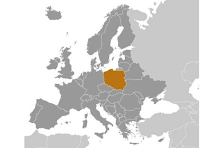
Cats have a long history of being susceptible to H5N1 (see A Brief History Of Avian Influenza In Cats), but this outbreak is notable both for its size and for its geographic range (see map above).

While no human cases have been reported, surveillance and testing for novel flu viruses is limited, and it is possible some cases have been missed.​

Given what we know - and more importantly, what we don't know - the ECDC's risk assessment below is understandably incomplete. They are, however, recommending pet owners, and vets, take precautions.
1. Avian influenza in domestic cats - Poland -2023

Overview: Update On 28 June 2023, the Polish Chief Veterinary Officer (CVO) issued a press release notifying about a total of 16 cat samples positive for influenza A(H5N1) in the country. Positive samples originate from many cities in Poland (Gdańsk, Gdynia, Pruszcz Gdański, Lublin, Bydgoszcz, Poznań and Warsaw).

The World Organisation for Animal Health (WOAH) issued a statement on the Polish cat outbreak mentioning that the severe and rapid course of the infection is consistent with reports of A(H5N1) infection in Felidae, and noting that several cases of infection in cats with Influenza A(H5N1) have been reported from Europe and North America in the context of the ongoing panzootic. WOAH stresses the need for more investigations and states that since the cases include both stray and pet cats, exposure to sick wild birds is not considered a likely transmission mode.
In addition, the wide geographical distribution of cases suggests that the primary mode of spread in these cases is not cat-to-cat transmission but rather some other kind of common source. The statement also mentions the need to isolate any suspected cases from other pets due to potential shedding from the gastrointestinal tract, and the need for appropriate personal protective equipment (PPE) for the handlers of such animals.

Media sources from Poland cite the director of the National Veterinary Institute in Puławy stating that "they have detected two mutations that indicate that the A(H5N1) virus is evolving to multiply more easily in mammals".

Summary

Since 23 June 2023, media sources referred to several deaths of domestic cats (at least 70) in Poland for which investigations are ongoing. On June 26, the Chief Veterinary Officer of Poland announced in a press release that 11 samples were tested at the National Veterinary Institute in Puławy, of which nine were positive for A(H5N1) influenza virus. The positive samples come from the cities of Poznań, Tricity and Lublin. Sequencing is ongoing. Preliminary studies have ruled out connection to the avian influenza outbreaks in seagulls, that Poland has registered in recent weeks.
No source of infection has been identified yet. An intersectoral meeting between animal and human public health services took place on 26 June. The CVO press release included advice to the public to prevent contact of pet cats with other animals, including keeping them inside homes and avoid contact with footwear used outside, enhanced hand hygiene for all pet cat owners is also advised.

ECDC assessment: Several uncertainties currently exist as regards the source of infection, the potential of feline-to-feline and felineto-human transmission of the particular A(H5N1) influenza virus strain, as well as regards to the severity of the disease. No human cases have been reported related to this event, however, there are too many uncertainties at this stage to properly assess the risk to the general public.

ECDC will review its assessment as soon as more information becomes available.

Actions: ECDC is monitoring this event and has contacted Polish public health authorities and EFSA for further investigation. Last time this event was included in the CDTR: 29 June 2023

So far we've only seen reports of mass cat infections from Poland, but that could easily change. Hopefully neighboring countries are ramping up surveillance, although that likely isn't an option in Ukraine right now.

For more on the difficulties of detecting novel flu cases in the community, you may wish to revisit UK Novel Flu Surveillance: Quantifying TTD.​

On Monday of this week the ECDC released timely Guidance: Enhanced Surveillance of Severe Avian Influenza Virus Infections in Hospital Settings, and last week the CDC presented a COCA Call for clinicians on What Providers Need to Know about Zoonotic Influenza.

Stay tuned.


​https://afludiary.blogspot.com/2023/06/ecdc-risk-assessment-avian-influenza-in.html
 
Translation Google

"The course of the disease is electrifying." Avian flu in cats

June 29, 2023 / 17:17

So far, 16 outbreaks of avian influenza virus in cats have been confirmed in Poland, informs the Chief Veterinary Officer. The pathogen was found in 20 out of 33 samples delivered to the National Veterinary Institute in Puławy. Most of the cats died.

The services appeal to the owners to be careful and at the same time reassure: so far no case of transmission of the virus from cat to human has been recorded in the world.

The bird flu virus can be very dangerous

As experts say: the bird flu virus can be very dangerous. In humans, the mortality rate is 50-60%. However, over the years, only 1,000 cases of human infection with the H5N1 (bird flu) virus have been recorded.

- The probability of human disease is negligible, but it is always there. However, special circumstances are needed for this - says prof. Agnieszka Szuster-Ciesielska from the Department of Virology and Immunology of the Maria Curie-Skłodowska University. “For example, the transmission of this virus from birds requires very close human presence. Most often, infections occurred in the owners of chicken farms.

However, no such case has been reported with regard to human infection by a cat. Such infection is made difficult because cats do not shed much of this virus. If there are too few of these viruses, the symptoms of the disease do not develop, says Prof. Agnieszka Szuster-Ciesielska.


Samples taken from dead animals are analyzed at the National Veterinary Institute in Puławy. In total, dozens of such samples have been sent there so far.

“This is disturbing news”

“Consecutive, thorough research gives us important information,” says the director of the Institute, Prof. Stanislaw Winiarczyk. – Those viruses that were identified in the samples are the closest to the viruses that were isolated from wild birds and poultry in 2020-2023. They show the highest relationship to the virus that was detected in the white stork at the beginning of June in the Tarnów district. Importantly, molecular analysis indicates the presence of mutations that may enhance the adaptation of the virus to mammals.

This is worrying information, admit veterinarians. It is still not known what was the source of infection in the dead cats.

The course of the disease is electrifying

“The worst thing is not knowing. The course of the disease is staggering - says veterinarian Robert Czerniak from the Lublin Center for Small Animals in Lublin, where one case of an infected cat was recorded. – Symptoms include both upper and lower respiratory tract infection, i.e. pneumonia, but they can also appear in the form of inflammation and dysfunction of other organs and systems, such as the digestive system. However, this applies primarily to neurological symptoms, including convulsive seizures, impaired coordination of movements, and limited consciousness. In addition, a high fever can be a problem.

What's worse, the treatment of this type of cases has so far been only symptomatic and very difficult.

- It was so that some symptoms developed, we "quenched" them to some extent, but others appeared. Unfortunately, it was a slippery slope,” adds Robert Czerniak.

Recommendations for cat owners

Officials are urging cat owners to be careful. The Chief Veterinary Officer has published relevant recommendations.

– According to these recommendations, it would be good to keep cats indoors, not to go outside with them. Of course, you can let it out on the balcony or terrace. It is necessary to wash the floors with detergents, prevent contact of cats with wild birds, as well as shoes - enumerates Monika Michałowska from the Provincial Veterinary Inspectorate in Lublin.

One of the hypotheses regarding the ways in which cats can be infected with avian flu is that related to the digestive route. – There is an astonishing coincidence in time, because in a short period of time there were outbreaks of infection in cats in remote locations. This would indicate a common denominator, i.e. one or two sources that reached these locations. In my opinion, it could be feed or a batch of infected meat - believes Prof. Agnieszka Szuster-Ciesielska.

However, for now, these are only guesses. The source of infection is to be determined by an epidemiological investigation.
...

https://radio.lublin.pl/2023/06/przebieg-choroby-jest-piorunujacy-ptasia-grypa-u-kotow/
 
Translation Google

The H5N1 virus that kills cats in Poland has already been sequenced

Author: Marta Markiewicz
2023-06-30 13:10

A group of Polish researchers has developed the sequence of the H5N1 influenza virus, which has been detected in cats in several Polish cities in recent weeks. This sequence was made public in the GISAID database, which was initially created to provide data on influenza viruses, but in the face of the SARS-CoV-2 virus epidemic, it was adapted to the needs of other viruses.

Prof. Krzysztof Pyrć, a virologist and at the same time the leader of the Virology Laboratory at the Małopolska Center of Biotechnology of the Jagiellonian University, announced the sequencing of the H5N1 influenza virus, the presence of which was confirmed in cats.

It would not be possible without the cooperation of three research groups, whose leaders were - prof. dr hab. Krzysztof Pyrć (Jagiellonian University), dr Łukasz Rąbalski from the University of Gdańsk and the Military Institute of Hygiene and Epidemiology in Warsaw, as well as dr hab. Maciej Grzybek from the Department of Tropical Medicine and Parasitology - National Center for Tropical Medicine of the Medical University of Gdańsk.

Thanks to the cooperation, it was possible to obtain the first sequence of the H5N1 influenza virus that infects cats in Poland.

- The sequence has been made public in the GisAID​ database under the number EPI ISL 17949824 . Further research on the biology, genetics and origin of the virus is being carried out in the above-mentioned Institutions - informed Prof. Krzysztof Pyrc.

...​
​Recall that the first cases of infection of cats with the avian influenza virus were confirmed earlier this week. Since then, research has been underway, and the National Veterinary Institute received 33 samples from cats from Gdańsk, Gdynia, Poznań, Lublin, Pruszcz Gdański, Nowy Dwór Mazowiecki, Bydgoszcz, Wrocław and the vicinity of Zamość by Wednesday.

https://cowzdrowiu.pl/aktualnosci/post/wirus-h5n1-zabijajacy-koty-w-polsce-juz-wysekwencjonowany​


------------------------------------------------------

Opens profile photo
Krzysztof Pyrc@k_pyrc

H5N1 influenza sequence from cats publicly available. We would like to inform you that thanks to the cooperation of three research groups led by Dr. Łukasz Rąbalski @rabalski (University of Gdańsk and the Military Institute of Hygiene and Epidemiology in Warsaw), dr hab. Maciej Grzybek @GrzybekMaciej (Medical University of Gdańsk), and prof. dr hab. Krzysztof Pyrć @k_pyrc (Jagiellonian University) managed to obtain the first sequence of the H5N1 influenza virus that infects cats in Poland. The sequence has been made public in the GisAID database under the number EPI_ISL_17949824 . https://gisaid.org

Further research on the biology, genetics and origin of the virus is conducted at the above-mentioned Institutions. @JagiellonskiUni
@MCB_UJ
@Uniwersytet_GD
@GUMedGdansk
@WIHE_Warszawa


image.png


4:29 AM · Jun 30, 2023
·​
 
Translation Google

...

“Consecutive, thorough research gives us important information,” says the director of the Institute, Prof. Stanislaw Winiarczyk. – Those viruses that were identified in the samples are the closest to the viruses that were isolated from wild birds and poultry in 2020-2023. They show the highest relationship to the virus that was detected in the white stork at the beginning of June in the Tarnów district. Importantly, molecular analysis indicates the presence of mutations that may enhance the adaptation of the virus to mammals.

...

https://radio.lublin.pl/2023/06/przebieg-choroby-jest-piorunujacy-ptasia-grypa-u-kotow/


image.png - Click image for larger version  Name:	image.png Views:	2 Size:	99.7 KB ID:	976118

/https://en.wikipedia.org/wiki/Stork#Behaviour

Another bird flu outbreak near Tarnów. This time, a deadly virus for birds attacked storks in Biskupice Radłowskie

Paul Glory June 14, 2023, 7:53

Firefighters helped remove the dead young storks. To Biskupice Radłowskie, among others, ladder on a car from PSP in Tarnów, OSP Biskupice Radłowskie

A dead stork found in Biskupice Radłowskie near Tarnów was infected with bird flu. Probably due to the same disease, two cubs that were pulled from the nest also died. This is another confirmed outbreak of this highly virulent virus in Lesser Poland, and the second in the Tarnów district, which primarily attacks birds.

The stork family lost to the bird flu virus
Veterinary services were notified of a dead stork lying on the ground by the concerned inhabitants of Biskupice. Two more young birds were found in the nest, which also turned out to be dead.

- Samples of an adult stork were collected and sent for laboratory tests at the state institute in Puławy. They confirmed that the cause of the bird's death was the bird flu virus - explains Agnieszka Drebot, deputy district veterinarian in Tarnów.

This is the second outbreak of this highly virulent disease affecting birds that has been confirmed in the Radłów commune. At the end of April, research showed that bird flu is also responsible for the mass death of black-headed gulls, which flew to the water reservoir at the post-gravel excavation in the neighboring Zabawa for the breeding season. More than 6,000 seagulls have died there in over a month.

Until now, however, the virus has only affected birds of this particular species. Others were immune to it. Dead storks from Biskupice may indicate that other birds, including breeding ones, may also be at risk. It is not known what happened to the fourth and the second adult that also inhabited the same nest. It's possible he's dead somewhere, too.


...

https://gazetakrakowska.pl/kolejne-...atakowal-bociany-w-biskupicach/ar/c1-17629731

--------------------------------


ANNOUNCEMENT NO. 7 of the Małopolska Voivodship Veterinary Officer of June 9, 2023.
concerning the designation of the 9th outbreak of highly pathogenic avian influenza (HPAI)
in wild birds in 2023 in the Małopolskie Voivodeship


On June 7, 2023, the Małopolska Voivodeship Veterinary Officer received from the State
Veterinary Institute - National Research Institute in Puławy positive test result
laboratory tests confirming an outbreak of highly pathogenic avian influenza (HPAI)
of the H5N1 subtype in a wild bird of the white stork species, located in the village
Biskupice Radłowskie, commune of Radłów, Tarnów poviat. This is the ninth HPAI outbreak in 2023.
in the territory of the Lesser Poland Voivodeship.

Statement on June 7, 2023 of the above HPAI outbreak is associated with adverse effects
recently the epidemiological situation in many countries, both the EU and third countries.
In Poland:

• in 2022, 68 outbreaks of highly pathogenic avian influenza were detected, in which a total of
over 2 million poultry were kept.
• in the period from 1 January to 5 June 2023, 59 outbreaks were found in poultry
and 118 outbreaks in wild birds.
...

https://www.wiw.krakow.pl/files/7_2023.pdf
 
Back
Top Bottom