
Michael Coston
Editor, Senior Moderator
Australia: H5 Bird Flu Reported on Macquarie Island

Macquarie Island - Credit Wikipedia
#19,375
Six weeks ago Australia announced they would soon be withdrawing their research team from remote Macquarie Island - located about halfway between Australia and Antarctica - over concerns that bird flu would arrive and decimate that island's wildlife much as it did on Heard Island last year.
Today, Guy Barnett, Tasmanian Minister for Environment and Climate Change, announced that the evacuated research team brought back with them samples from the island which have tested positive for H5 bird flu.Citing `psychosocial risks' to personnel who were stationed there, DCCEEW decided to temporarily extract all personnel from the research station.
15 October 2026
Guy Barnett, Minister for Environment and Climate Change
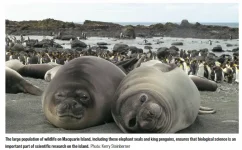
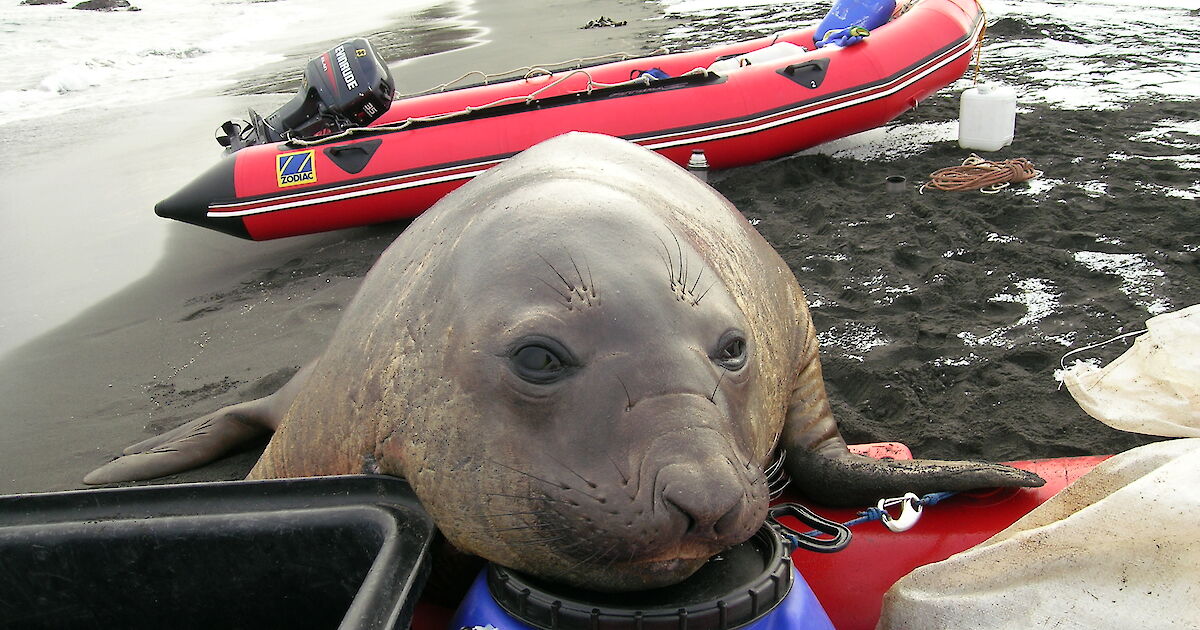
H5 bird flu has been detected in a Southern elephant seal and a kelp gull on Macquarie Island.
Samples collected from a Southern elephant seal and a kelp gull on Macquarie Island were returned with island personnel and subsequently tested returning a positive result for H5 bird flu.
This is the first recorded detection in a marine mammal in Tasmania.
As bird flu continues to be detected in Tasmania, members of the public are encouraged to continue reporting sick or dead birds. Reports play an important role in helping authorities detect and respond to potential cases.
Avoid contact with sick or dead birds and report sightings through https://nre.tas.gov.au/reportbirdflu or by calling the Emergency Animal Disease Hotline on 1800 675 888.
The Department of Natural Resources and Environment Tasmania provides regular public updates through media releases. The latest testing and surveillance figures are updated on the department's website.
More information is available at www.nre.tas.gov.au/BirdFlu.
While there are no reports of mass casualties on Macquarie Island, four months ago, in Preprint: Mass mortality of southern elephant seals during multi-species outbreak of HPAI H5N1 on sub-Antarctic Heard Island, we saw that the carnage from the Heard Island outbreak was worse than originally feared, with 76% mortality among Elephant Seal pups.
Meanwhile, Australia's bird flu count continues to rise, with the latest figure showing more than 700 confirmed events, and in excess of 63,000 hotline reports by the public.

https://afludiary.blogspot.com/2026/10/australia-h5-bird-flu-reported-on.html