

Gert van der Hoek
In Memoriam - Editor, Senior Moderator
July 16, 2020
Various observational and mechanistic evidence presented throughout this evidence brief, support the hypothesis that SARS-CoV-2 can infect and be shed from the human gastrointestinal tract.
................................
Background
Understanding how, when and in what types of settings SARS-CoV-2 spreads between people is critical to developing effective public health and infection prevention measures to break chains of transmission.[SUP]1[/SUP]
Current evidence suggests SARS-CoV-2 is primarily transmitted via respiratory droplets and contact routes and can occur between pre-symptomatic or symptomatic infected individuals to others in close contact.
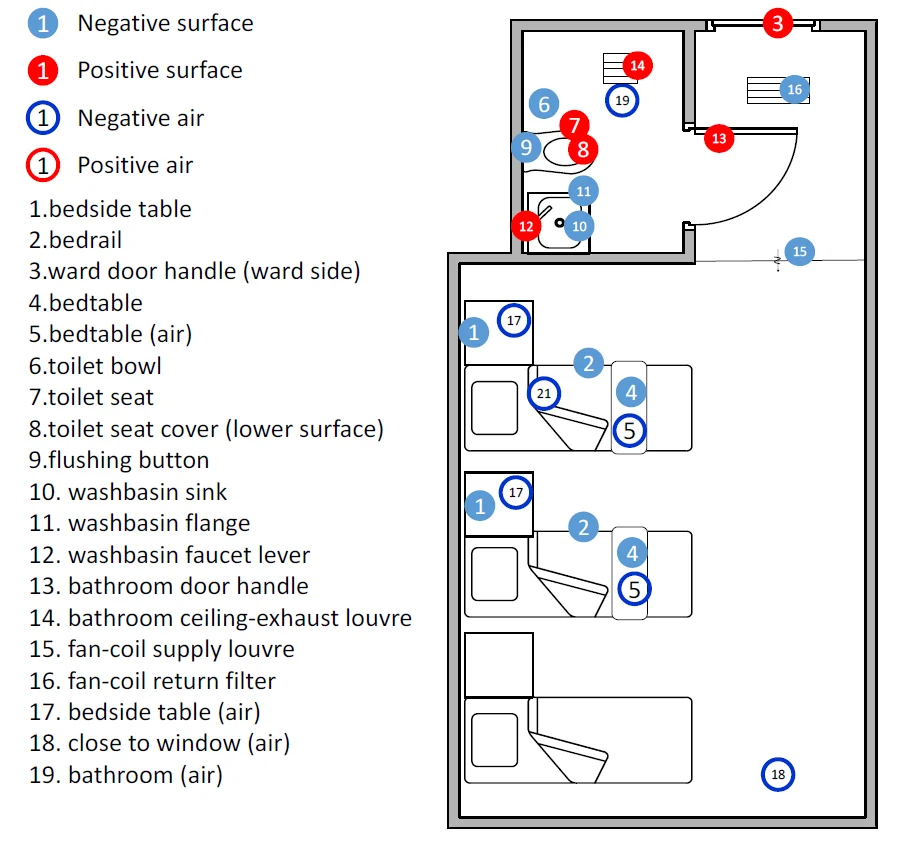
SARS-CoV-2 has been shown to contaminate and survive on certain surfaces, but currently, no reports have directly demonstrated fomite to human transmission. SARS-CoV-2 has also been detected in the feces of some patients which taken together with fomite transmission suggest the possibility that SARS-CoV-2 could transmit via the orofecal route.
Orofecal describes a route of transmission where the virus in fecal particles can pass from one person to the mouth of another. Main causes include lack of adequate sanitation and poor hygiene practices. Fecal contamination of food is another form of orofecal transmission.
Other single-stranded RNA viruses such as noroviruses are transmitted primarily through the orofecal route, either by consumption of contaminated food or water or from direct person to person to person spread.
Methods
We are undertaking an open evidence review investigating factors and circumstances that impact on the transmission of SARS-CoV-2, based on our published protocol. In brief, this review aims to identify and evaluate relevant articles (peer-reviewed or awaiting peer review) that examine the mode of viral transmission and ecological variables influencing the mode of transmission. Studies with modelling are only included if they report transmission outcome data, not predicted outcomes. We assess study quality based on five criteria and report important findings on an ongoing basis. When necessary we wrote to several authors of included studies for further details or clarification on the content of their articles.
Evidence update
In this first version we have summarized 36 studies examining the potential role of orofecal transmission of SARS-CoV-2 (see Table of Included Studies. COVID-19 transmission dynamics.), and included mechanistic and observational evidence from a further 22 studies (see References. Orofecal transmission potential of COVID-19). Overall the evidence is low to moderate quality (see Quality of Included Studies. COVID-19 transmission dynamics.). We provide a narrative summary of the evidence through a link at the end of each title in the left-hand column. The original paper is accessible through our summary.
Various observational and mechanistic evidence presented throughout this evidence brief, support the hypothesis that SARS-CoV-2 can infect and be shed from the human gastrointestinal tract.
................................
Background
Understanding how, when and in what types of settings SARS-CoV-2 spreads between people is critical to developing effective public health and infection prevention measures to break chains of transmission.[SUP]1[/SUP]
Current evidence suggests SARS-CoV-2 is primarily transmitted via respiratory droplets and contact routes and can occur between pre-symptomatic or symptomatic infected individuals to others in close contact.
SARS-CoV-2 has been shown to contaminate and survive on certain surfaces, but currently, no reports have directly demonstrated fomite to human transmission. SARS-CoV-2 has also been detected in the feces of some patients which taken together with fomite transmission suggest the possibility that SARS-CoV-2 could transmit via the orofecal route.
Orofecal describes a route of transmission where the virus in fecal particles can pass from one person to the mouth of another. Main causes include lack of adequate sanitation and poor hygiene practices. Fecal contamination of food is another form of orofecal transmission.
Other single-stranded RNA viruses such as noroviruses are transmitted primarily through the orofecal route, either by consumption of contaminated food or water or from direct person to person to person spread.
Methods
We are undertaking an open evidence review investigating factors and circumstances that impact on the transmission of SARS-CoV-2, based on our published protocol. In brief, this review aims to identify and evaluate relevant articles (peer-reviewed or awaiting peer review) that examine the mode of viral transmission and ecological variables influencing the mode of transmission. Studies with modelling are only included if they report transmission outcome data, not predicted outcomes. We assess study quality based on five criteria and report important findings on an ongoing basis. When necessary we wrote to several authors of included studies for further details or clarification on the content of their articles.
Evidence update
In this first version we have summarized 36 studies examining the potential role of orofecal transmission of SARS-CoV-2 (see Table of Included Studies. COVID-19 transmission dynamics.), and included mechanistic and observational evidence from a further 22 studies (see References. Orofecal transmission potential of COVID-19). Overall the evidence is low to moderate quality (see Quality of Included Studies. COVID-19 transmission dynamics.). We provide a narrative summary of the evidence through a link at the end of each title in the left-hand column. The original paper is accessible through our summary.