• FluTrackers.com Inc. does not provide medical advice. Information on this web site is collected from various internet resources, and the FluTrackers board of directors makes no warranty to the safety, efficacy, correctness or completeness of the information posted on this site by any author or poster. The information collated here is for instructional and/or discussion purposes only and is NOT intended to diagnose or treat any disease, illness, or other medical condition. Every individual reader or poster should seek advice from their personal physician/healthcare practitioner before considering or using any interventions that are discussed on this website. By continuing to access this website you agree to consult your personal physican before using any interventions posted on this website, and you agree to hold harmless FluTrackers.com Inc., the board of directors, the members, and all authors and posters for any effects from use of any medication, supplement, vitamin or other substance, device, intervention, etc. mentioned in posts on this website, or other internet venues referenced in posts on this website.
  • We are not asking for any donations. Do not donate to any entity who says they are raising funds for us.

Chile: 2026 Hantavirus

Shiloh

Editor, Senior Moderator
Source: https://latinamericanpost.com/ameri...avirus-trail-as-cruise-mystery-deepens-again/

Chile Tracks Deadly Hantavirus Trail as Cruise Mystery Deepens Again
The Latin American Post Staff Send an email 8 hours ago​

Chile’s rising hantavirus fatality rate, confirmed by Health Ministry data shared with EFE, has turned an endemic disease into a regional alarm, linking forests, rodents, delayed diagnosis, cruise travel, and public health trust across the southern cone again this year.
A Virus Already Living in the Landscape

In Chile, the suspect does not move through airports with a passport or hide behind a false name. It lives low to the ground, in damp forests, sheds, rural paths, woodpiles, cabins, and the invisible dust that rises when human life brushes against rodent territory.

The country has confirmed at least 39 hantavirus cases so far this year and 13 deaths, according to figures provided to EFE by Chile’s Health Ministry. That means a fatality rate of 33 percent, a sharp and worrying increase compared with 2025, when the ministry recorded 44 cases and eight deaths, for an 18 percent fatality rate.

Hantavirus is not new in Chile. It is endemic. Between 2020 and 2024, public epidemiological data show the country registered between 30 and 70 cases a year, with a five-year fatality rate of 26 percent. Those numbers describe a familiar danger. But 2026 has given that danger a harder edge because the share of patients dying has climbed.

“The higher fatality rate could be related to factors specific to the patients and the timing of diagnosis, which reinforces the importance of seeking care in time for any compatible symptom,” the Health Ministry said in a statement sent to EFE.

That sentence is clinical, but behind it sits the whole mystery of a disease that punishes delay. Hantavirus can begin like something ordinary, the kind of fever, muscle pain, or fatigue people may try to wait out. Then it can turn. The virus can cause severe cardiorespiratory complications, and by the time the body’s alarm becomes unmistakable, the window for survival may have narrowed.

The confirmed cases have appeared in nine of Chile’s 16 regions, especially in the central and southern zones: Metropolitana, where Santiago sits, along with O’Higgins, Maule, Ñuble, Biobío, La Araucanía, Los Ríos, Los Lagos, and Aysén. It is a map that follows both human movement and ecological reality, from urban edges to the humid southern landscapes where the long-tailed mouse, the virus’s main reservoir, finds its habitat.​..
 
Source: https://www.infobae.com/america/ame...anitaria-por-hantavirus-en-casi-todo-el-pais/

Chilean authorities declare a hantavirus health alert across almost the entire country.
This year, 46 people have been infected and 18 have died, representing a 39% fatality rate.
Mauricio Palazzo
From Santiago, Chile

For the first time in its history, the Ministry of Health (Minsal) declared a hantavirus health alert in 13 of Chile's 16 regions—from Atacama to Magallanes—which will remain in effect until July 31, 2027.

The decree published in the Official Gazette also considers the situation a "multi-threat health situation" due to its simultaneous occurrence with other risks such as arboviruses (diseases transmitted by mosquitoes such as dengue, Zika, chikungunya, and yellow fever) and avian influenza.

“The hantavirus causes a disease that is endemic to Chile, transmitted by the long-tailed pygmy rice rat that lives in rural and semi-rural areas throughout almost the entire country. As a ministry, we are constantly monitoring its behavior and are very concerned and actively working because this year the virus's lethality has increased, and for this reason, we have decided to declare this alert,” stated the Undersecretary of Public Health, Dr. Alejandra Pizarro.

According to the official, “as of last week, 46 infections and 18 deaths have been recorded, representing a lethality rate of 39%,” while in 2015 there were 44 infections and eight deaths, meaning the lethality rate was 18%.

These cases have been concentrated in the regions of Valparaíso, Metropolitan, O’Higgins, Maule, Ñuble, Biobío, La Araucanía, Los Ríos, Los Lagos, and Aysén.

The alert, which is preventative, allows for the granting of extraordinary powers in the event of serious health emergencies to strengthen surveillance, ensure timely resource management, hire specialized personnel, implement sanitary control measures, and expedite the acquisition of supplies through direct contracting. It does not imply that there is an ongoing epidemic.

“Hantavirus is not exclusively a summer virus, as the long-tailed pygmy rice rat is present year-round. Therefore, we urge everyone to take extreme precautions: do not touch rodents, ventilate homes before entering if they have been closed, clean unused spaces with water and bleach, and keep garbage covered and food stored,” the Undersecretary added.

According to Pizarro, “it is crucial to be aware of the symptoms: fever, intense muscle pain, and difficulty breathing. If someone experiences these symptoms and has been in rural or semi-rural areas where the long-tailed pygmy rice rat may have been present, they should immediately go to a health center and inform the medical staff so that a hantavirus diagnosis can be considered promptly.”

It is worth remembering that since December 2025, the Pan American Health Organization (PAHO) has maintained an epidemiological alert due to the rise in hantavirus cases throughout the Southern Cone.

Diseases transmitted by mosquitoes and birds

The health alert decree also covers diseases transmitted by the Aedes aegypti, Aedes vexans, and Anopheles pseudopunctipennis mosquitoes, such as dengue and Zika, which, according to the alert, “have a high epidemic potential, which could generate high demand and overload for health facilities,” Pizarro stated.

For these cases, the alert is in effect from the Arica and Parinacota Region to the Los Ríos Region.

In closing, the health authority emphasized that it is essential to prevent mosquito breeding in stagnant water and to monitor any suspected cases arriving from abroad, in order to prevent any of these vectors from spreading the disease.

In the case of avian influenza, the alert was extended to the entire country, because unlike other years, the disease has been concentrated in wild and farm birds and not in poultry farms, increasing the risk of exposure for people.​
 
Translation Google

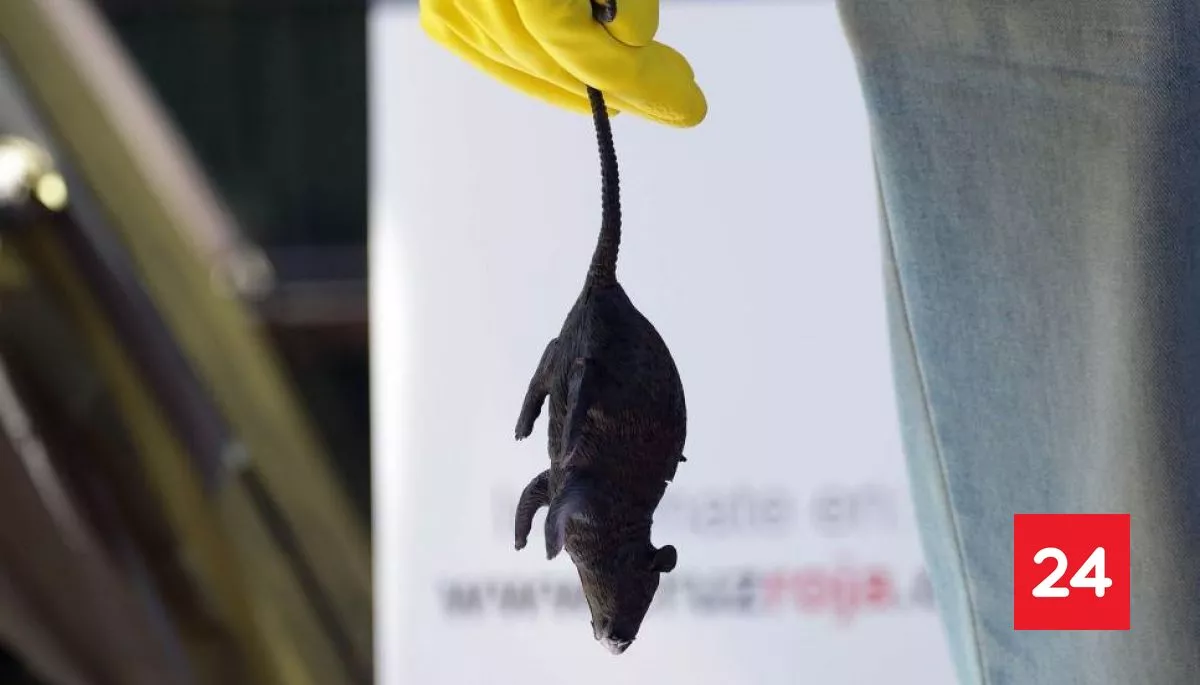
Increase in Hantavirus cases in Chile: adult men predominate in wild areas.

The Ministry of Health's epidemiological report reveals an increase in infections compared to the previous year, with a particular concentration of severe cases in the central and southern regions of the country.

24horas.cl
Monday, August 24, 2026

The Ministry of Health (Minsal) published the Hantavirus Epidemiological Bulletin corresponding to Epidemiological Week 31 of 2026, a document that reports an increase in the detection of confirmed infections in the national territory compared to the same period in 2025.

According to the epidemiological surveillance of the health authority, the infection transmitted by the long-tailed mouse ( Oligoryzomys longicaudatus ) maintains a geographical distribution concentrated mainly in rural and semi-urban sectors of the south-central part of the country, ranging from the O'Higgins region to Magallanes.

"In July we declared a Health Alert because so far this year we have a 39% fatality rate, a figure that worries us and is higher than in previous years," said the Undersecretary of Public Health, Alejandra Pizarro, adding: "This increase has several causes: the age and pre-existing health conditions of each patient influence it , but also the time that passes between the appearance of symptoms and the medical consultation, and the speed with which the health team manages to suspect that it is a case of hanta."

The statistical report specifies that most of the diagnosed patients required hospitalization in intensive care units due to the presentation of Hantavirus Pulmonary Syndrome (HPS), a highly complex condition that maintains a considerable lethality rate among the zoonotic diseases monitored in Chile.

Regarding the epidemiological profile of those affected, official data show a predominance of infections in adult men whose work or recreational activity takes place in wild areas, agricultural areas or in forestry work where the vector lives naturally.

Among the main transmission routes identified in field investigations are the inhalation of aerosols from rodent urine, feces and saliva in enclosed spaces, as well as weeding and entry into buildings that remained uninhabited for long periods without prior ventilation.

The public health authority reiterated the fundamental prevention measures for the rural population and visitors to camping areas: ventilate enclosed spaces for at least 30 minutes before entering, spray surfaces with chlorine water, camp only in authorized places with short grass, and keep garbage in airtight containers.

"It is very important that if a person who lives in or has lived in rural or semi-rural areas develops a fever, muscle pain, or difficulty breathing, they tell their doctor that they may have been in contact with the long-tailed pygmy rice rat. This rodent is endemic between Atacama and Magallanes, and it is crucial to mention this so that the healthcare team can suspect hantavirus in time , " commented the Undersecretary of Public Health, Alejandra Pizarro.

------------------------------------------------------------------
Hantavirus outbreak in Chile: 49 cases and 19 deaths during 2026

Updated 17 hours ago
By Camilo García Godoy

The Ministry of Health ( Minsal ) published the Hantavirus Epidemiological Bulletin corresponding to Epidemiological Week 31 of 2026, a report that shows an increase in the detection of confirmed infections in the national territory compared to 2025, as reported by Emol .

The infection transmitted by the long-tailed mouse maintains a geographical distribution concentrated in rural and semi-urban areas of the south-central part of the country, from the O'Higgins Region to Magallanes.

Of all the cases, 19 people died , bringing the case fatality rate to 39%. Of those who died, 68% were men, and the median age was 37 years.

In comparison to the previous year, in 2025 there were 44 cases of hantavirus and only eight deaths due to this disease.


Regarding this, the Undersecretary of Public Health, Alejandra Pizarro , in conversation with Emol , said that “this increase has several causes: the age and previous health conditions of each patient influence it , but also the time that passes between the appearance of the symptoms and the medical consultation, and the speed with which the health team manages to suspect that it is a case of hanta.”

The report indicates that most of the diagnosed patients required hospitalization in intensive care units due to the presentation of Hantavirus Pulmonary Syndrome.

What are the measures to prevent its spread?
Ventilate enclosed spaces for at least 30 minutes before entering.
Spray the surfaces with water and chlorine.
Camping in authorized areas.
Keep garbage in airtight containers.

 
Back
Top Bottom