
Install the app
How to install the app on iOS
Follow along with the video below to see how to install our site as a web app on your home screen.
Note: This feature may not be available in some browsers.
-
FluTrackers.com Inc. does not provide medical advice. Information on this web site is collected from various internet resources, and the FluTrackers board of directors makes no warranty to the safety, efficacy, correctness or completeness of the information posted on this site by any author or poster. The information collated here is for instructional and/or discussion purposes only and is NOT intended to diagnose or treat any disease, illness, or other medical condition. Every individual reader or poster should seek advice from their personal physician/healthcare practitioner before considering or using any interventions that are discussed on this website. By continuing to access this website you agree to consult your personal physican before using any interventions posted on this website, and you agree to hold harmless FluTrackers.com Inc., the board of directors, the members, and all authors and posters for any effects from use of any medication, supplement, vitamin or other substance, device, intervention, etc. mentioned in posts on this website, or other internet venues referenced in posts on this website.
-
We are not asking for any donations. Do not donate to any entity who says they are raising funds for us.
You are using an out of date browser. It may not display this or other websites correctly.
You should upgrade or use an alternative browser.
You should upgrade or use an alternative browser.
Chile - Avian influenza in poultry 2026
- Thread starter Lance
- Start date

Pathfinder
Editor, Senior Moderator
Related to post #30
Translation Google
Avian Influenza: SAG Los Lagos reinforces call to strengthen biosecurity in poultry farming due to new cases in the region
Sent by Communications on Tuesday, 01/09/2026 - 09:42
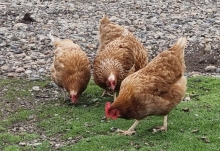
The Agricultural and Livestock Service, SAG, Los Lagos region reiterated the call to producers and owners of backyard poultry to strengthen biosecurity measures, after confirming two new outbreaks of Highly Pathogenic Avian Influenza (HPAI) in backyard production systems located in the communes of Calbuco (Llanquihue province) and Quellón (Chiloé province).
The Regional Director of SAG, Francisco Briones, explained that these new detections reinforce the need to maintain preventive measures, especially in sectors where there is greater interaction between domestic and wild birds.
“While Chile maintains its sanitary status as a country free of Highly Pathogenic Avian Influenza in commercial poultry, the virus continues to circulate in wild bird populations, especially migratory and coastal waterfowl, which constitute the main natural reservoir of the disease,” the regional authority noted.
Briones added that the two cases detected in backyard poultry farming systems have an epidemiological link to areas near the coast, where there is a risk of direct or indirect contact between domestic and wild birds. “That is why it is essential to minimize this interaction and maintain biosecurity measures at all times. People should not handle sick or dead birds. If you find dead wild birds or birds exhibiting abnormal behavior, the recommendation is to promptly inform the SAG (Agricultural and Livestock Service) so they can assess the situation,” Briones noted.
For his part, the Regional Secretary of Agriculture, Francisco Cárcamo, emphasized that “the collaboration of producers, poultry owners, and the community is fundamental for the early detection of Avian Influenza. The ongoing adoption of biosecurity measures and timely reporting of suspected cases strengthen the health response and protect both family poultry farming and poultry production in the Los Lagos Region.”
Biosecurity in chicken coops
Following these new detections, SAG teams are conducting epidemiological surveillance in the affected areas, including clinical inspections, characterization of family farming systems, evaluation of biosecurity measures, and sample collection. These efforts aim to contain the disease, reduce the risk of viral spread, and safeguard animal health.
The institution emphasized that maintaining adequate biosecurity not only protects backyard poultry, but also safeguards the economy of families that depend on this activity and contributes to protecting the country's health heritage.
The SAG also urged those who raise chickens, ducks, turkeys, geese, or other domestic birds to monitor their health daily and report any suspicious signs, such as sudden death, a sharp decrease in egg production, or respiratory problems. The presence of sick or dead wild birds in nearby areas should also be reported.
“Early detection and timely notification are essential because they allow for the rapid activation of health measures and reduce the risk of virus spread. In this scenario, biosecurity is the main tool families have to protect their birds,” stated the Regional Director of SAG.
Among the main preventive measures recommended by the SAG are:
- Keep domestic birds in protected spaces, avoiding direct or indirect contact with wild birds, especially waterfowl.
- Use chicken coops, corrals or netting that reduces the risk of birds and other wildlife entering the breeding areas.
- Prevent domestic birds from accessing beaches, wetlands, lagoons, and other bodies of water frequented by wild birds.
- Keep breeding areas clean and disinfected, as well as waterers, feeders and utensils used for handling them.
- Use clothing and footwear specifically for entering areas where birds are kept.
- Wash your hands with soap and water before and after handling birds, food, utensils, or facilities.
- Keep new birds isolated for at least 14 days before incorporating them into the rest of the flock, observing during this period for the appearance of possible signs of illness.
Avian Influenza (AI)
News Date
Tuesday, September 1, 2026 - 12:00