• FluTrackers.com Inc. does not provide medical advice. Information on this web site is collected from various internet resources, and the FluTrackers board of directors makes no warranty to the safety, efficacy, correctness or completeness of the information posted on this site by any author or poster. The information collated here is for instructional and/or discussion purposes only and is NOT intended to diagnose or treat any disease, illness, or other medical condition. Every individual reader or poster should seek advice from their personal physician/healthcare practitioner before considering or using any interventions that are discussed on this website. By continuing to access this website you agree to consult your personal physican before using any interventions posted on this website, and you agree to hold harmless FluTrackers.com Inc., the board of directors, the members, and all authors and posters for any effects from use of any medication, supplement, vitamin or other substance, device, intervention, etc. mentioned in posts on this website, or other internet venues referenced in posts on this website.
  • We are not asking for any donations. Do not donate to any entity who says they are raising funds for us.

Hong Kong - CHP Seasonal Influenza Reports 2025 - 2026

Wong Tai Sin Hospital flu outbreak grows to 14 more cases, 3 elderly men die
5 hours ago
Excerpt:
The hospital had previously announced that since September 7, five male patients, three female patients and two staff members had tested positive for Influenza A. The hospital has stepped up infection control measures, including thorough cleaning of the wards and enhanced hand hygiene.
Continued: ... https://www.thestandard.com.hk/news/article/342752/
 
COVID-19 & F LU E XPRESS
Local Situation of COVID-19 Activity (as of Sep 16, 2026)
Reporting period: Sep 6, 2026 – Sep 12, 2026 (Week 37)

⚫ The latest surveillance data showed that the overall local activity of COVID-19 was at a low

level.

⚫ The Centre for Health Protection (CHP) has been closely monitoring the local prevalence

of SARS-CoV-2 variants. The latest sewage surveillance data and genetic analysis of

positive respiratory specimens showed that PQ.16.1.1 is the most prevalent variant in

Hong Kong. PQ.16.1.1 is a descendant lineage of NB.1.8.1, which is a descendant of JN.1.

The World Health Organization (WHO) listed PQ.16.1.1 as a variant under monitoring

(VUM) on Jul 27, 2026. The WHO stated that existing COVID-19 vaccines are expected to

be effective against PQ.16.1.1, and there is no evidence to suggest that PQ.16.1.1 will

cause more serious diseases.

⚫ Members of the public are advised to maintain strict personal and environmental hygiene

at all times for personal protection against COVID-19 infection and prevention of the

spread of the disease in the community. High-risk people (e.g. persons with underlying

medical conditions or persons who are immunocompromised) should adopt additional

measures to protect themselves such as wearing mask properly when going to public

places. For other details, please visit the COVID-19 information page

(https://www.chp.gov.hk/en/healthtopics/content/24/102466.html).

⚫ Members of the public are advised to take note of the latest recommendations on the use

of COVID-19 vaccines in Hong Kong to protect themselves from serious outcomes of

COVID-19. High-risk priority groups are recommended to receive a dose of COVID-19

vaccine at least six months since the last dose or infection, regardless of the number of

doses received previously. For more details, please visit

(https://www.chp.gov.hk/files/pdf/consensus_recommendations_on_the_use_of_covid-1

9_vaccines_in_hong_kong_oct2025.pdf).

⚫ For the latest information on COVID-19 and prevention measures, please visit the

thematic website of COVID-19 (https://www.coronavirus.gov.hk/eng/index.html).

Laboratory surveillance for COVID-19 cases

Positive nucleic acid test laboratory detections for severe acute respiratory syndrome

coronavirus 2 (SARS-CoV-2) virus

(Note: The data reported are provisional figures and subject to further revision.)

In week 37, the weekly number of newly recorded positive nucleic acid test laboratory detections for

SARS-CoV-2 virus was 57 as compared to 86 in the preceding week. (Figure 1.1)

In the first 4 days of week 38 (Sep 13 – Sep 16), the daily number of newly recorded positive nucleic

acid test laboratory detections for SARS-CoV-2 virus ranged from 2 to 6.

Since Jan 30, 2023, the cumulative number of positive nucleic acid test laboratory detections was

89,634 (as of Sep 16, 2026).

continued. -snip-
Local Situation of Influenza Activity (as of Sep 16, 2026)
Reporting period: Sep 6 – 12, 2026 (Week 37)

 Hong Kong is in influenza season. The latest surveillance data showed that the overall influenza

activity remained at a very high level.


 Influenza can cause serious illnesses in high-risk individuals and even healthy persons. Given that

seasonal influenza vaccines are safe and effective, all persons aged 6 months or above except those

with known contraindications are recommended to receive influenza vaccine to protect themselves

against seasonal influenza and its complications, as well as related hospitalisations and deaths.

 2026/27 Seasonal Influenza Vaccination (SIV) Programmes, including the SIV School Outreach

Programme (SIVSOP), the Residential Care Home Vaccination Programme and the Vaccination

Subsidy Scheme (VSS), has commenced on September 17. Eligible persons can receive free or

subsidised vaccinations through the SIV Programmes. The public may visit the CHP's Vaccination

Schemes page for more details of the vaccination programmes

(https://www.chp.gov.hk/en/features/17980.html).

 Apart from getting influenza vaccination, members of the public should always maintain good

personal and environmental hygiene.

 For the latest information on seasonal influenza and its prevention, please visit the Centre for

Health Protection's Seasonal Influenza page

(http://www.chp.gov.hk/en/view_content/14843.html).

Influenza-like-illness surveillance among sentinel family medicine clinics and sentinel private medical practitioner clinics, 2022-26

In week 37, the average consultation rate for influenza-like illness (ILI) among sentinel family medicine

clinics (FMC) was 17.8 ILI cases per 1,000 consultations, which was higher than 17.2 recorded in the

previous week (Figure 2.1, left). The average consultation rate for ILI among sentinel private medical

practitioner (PMP) clinics was 49.8 ILI cases per 1,000 consultations, which was higher than 47.8

recorded in the previous week (Figure 2.1, right).

-snip-
Laboratory surveillance, 2022-26

Among the 10,275 respiratory specimens* received in week 37, 1,301 (12.66%) were tested positive

for seasonal influenza A or B viruses. Among the subtyped influenza detections, there were 1,091 (86%)

influenza A(H1), 120 (9%) influenza A(H3) and 64 (5%) influenza B viruses. The positive percentage

(12.66%) was above the baseline threshold of 4.94% but was lower than 13.05% recorded in the

previous week (Figure 2.2).
-snip-
Surveillance of antiviral susceptibility of influenza A and B viruses


 The Public Health Laboratory Services Branch of the Centre for Health Protection tests virus isolates

of influenza viruses obtained from cell culture for reduced antiviral susceptibility. For influenza

A(H1) viruses, genotypic assay for H275Y substitution (which confers resistance to oseltamivir) is

also performed on selected clinical specimens.

In July 2026, there were no new reports of influenza viruses with reduced susceptibility to

oseltamivir and baloxavir. There were also no reports of influenza A(H1) virus with H275Y

substitution.


 For the results of previous months, please refer to the following webpage:


 The detection rates of oseltamivir-resistant influenza A and B viruses remain low (less than 5%)

according to latest surveillance data of overseas countries.

continued: https://www.chp.gov.hk/files/pdf/covid_flux_week37_17_9_2026_eng.pdf

 
Ends/Saturday, October 3, 2026

CHP records case of severe paediatric influenza infection
The Centre for Health Protection (CHP) of the Department of Health today (October 3) recorded a severe paediatric influenza infection case. The CHP urged the public to receive vaccinations as early as possible to safeguard their own health and that of their families. In addition, the public should maintain good personal and environmental hygiene at all times to prevent influenza and other respiratory illnesses.

The case involves a nine-year-old girl with underlying illnesses. She developed a fever on September 30. On October 1, she developed a cough and vomiting, and was taken to a private clinic. On the same day, she was referred to the Accident and Emergency Department of Queen Elizabeth Hospital, where she was admitted to the paediatric intensive care unit (PICU) of the hospital for treatment. Her respiratory specimen tested positive for influenza B virus. Her clinical diagnosis was influenza B infection complicated with septic shock and severe pneumonia. The patient remains hospitalised at the PICU in critical condition.

The CHP's preliminary investigation revealed that the patient had no travel history during the incubation period, and has not received the 2026/27 Seasonal Influenza Vaccination (SIV). The investigation also revealed that two of her household contacts had developed mild fever and upper respiratory symptoms recently, but both have now recovered. The CHP will continue to investigate the case.

Hong Kong entered the influenza season in late June. The latest surveillance data showed that influenza activity remains at a high level. Since the end of June, a cumulative total of 21 cases of severe paediatric influenza infection have been recorded. Among these cases, 16 patients have recovered and been discharged from hospital, two patients are in stable condition, two are in critical condition and one has passed away. Due to widespread influenza transmission in the community in recent months, there has been a significant increase in both the number of infections and severe cases. With the start of the new school year and an increase in group activities, the CHP anticipates that influenza activity will remain at a high level in the coming weeks while influenza outbreaks in schools are expected to increase. Therefore, schools and parents must remain vigilant and take preventive measures.

Continued: https://www.info.gov.hk/gia/general/202610/03/P2026100300657.htm
 
Ends/Monday, October 5, 2026
CHP records case of severe paediatric influenza infection
The Centre for Health Protection (CHP) of the Department of Health today (October 5) recorded a severe paediatric influenza infection case. The CHP urged the public to receive vaccinations as early as possible to safeguard their own health and that of their families. In addition, the public should maintain good personal and environmental hygiene at all times to prevent influenza and other respiratory illnesses.

The case involves a 10-year-old boy with good past health. He developed a fever, cough, runny nose and dizziness on October 2. He was brought to the Accident and Emergency Department of Prince of Wales Hospital on October 4. He was admitted to the paediatric intensive care unit for treatment on the same day. His respiratory specimen tested positive for influenza A (H1) virus. His clinical diagnosis was influenza A infection complicated with shock. The patient remains hospitalised and is in serious condition.

The CHP's preliminary investigation revealed that the patient had no travel history during the incubation period, and had not received the 2026/27 Seasonal Influenza Vaccination (SIV). One of his household contacts recently developed a mild fever and upper respiratory symptoms, but the symptoms were mild and the household contact concerned has recovered. The CHP will continue to investigate the case.

Hong Kong entered the influenza season in late June. The latest surveillance data showed that influenza activity remains at a high level. Since the end of June, a cumulative total of 22 cases of severe paediatric influenza infection have been recorded. Among these cases, 16 patients have recovered and been discharged from hospital, two patients are in stable condition, two are in serious condition, one is in critical condition and one has passed away.

... https://www.info.gov.hk/gia/general/202610/05/P2026100500679.htm
 
Ends/Wednesday, October 7, 2026
CHP records case of severe paediatric influenza infection

The Centre for Health Protection (CHP) of the Department of Health today (October 7) recorded a severe paediatric influenza infection case. The CHP urged the public to receive vaccinations as early as possible to safeguard their own health and that of their families. In addition, the public should maintain good personal and environmental hygiene at all times to prevent influenza and other respiratory illnesses.

The case involves an 11-year-old girl with underlying illness. She developed a cough on September 29 followed by a fever on the next day. On October 3, she sought medical attention at a private clinic due to shortness of breath and vomiting, and was referred to the Accident and Emergency Department of Queen Mary Hospital, where she was admitted for treatment. Her respiratory specimen tested positive for influenza A (H1) virus. Her clinical diagnosis was influenza A infection complicated with severe pneumonia. The patient remains hospitalised in the hospital’s paediatric intensive care unit and is in serious condition.

The CHP's preliminary investigation revealed that the patient had no travel history during the incubation period. She had not received the 2026/27 Seasonal Influenza Vaccination (SIV). One of her household contacts recently developed upper respiratory symptoms, but the symptoms were mild and the household contact concerned has recovered. The CHP will continue to investigate the case.

"Hong Kong entered the influenza season in late June this year and the influenza season has lasted for more than three months by now. Currently, the local influenza activity remains at a high level. The predominant influenza virus detected at present is influenza A (H1). The CHP's epidemiological investigation indicated that the characteristics of severe or death cases related to seasonal influenza during this influenza season are similar to those in previous years, affecting primarily the elderly and children. Over the past five days, the CHP has recorded three cases of severe paediatric influenza infection. Since the start of the influenza season in late June, a cumulative total of 23 cases of severe paediatric influenza infection have been recorded. Among these cases, 16 patients have recovered and been discharged from hospital, four patients are in stable condition, one is in serious condition, one is in critical condition and one has passed away.

... https://www.info.gov.hk/gia/general/202610/07/P2026100700645.htm
 
Ends/Monday, October 19, 2026
CHP records case of severe paediatric influenza infection
The Centre for Health Protection (CHP) of the Department of Health today (October 19) recorded a severe paediatric influenza infection case. The CHP urged the public to receive vaccinations as early as possible to safeguard their own health and that of their families. In addition, the public should maintain good personal and environmental hygiene at all times to prevent influenza and other respiratory illnesses.

The case involves a six-year-old girl with good past health. She developed a fever, runny nose, vomiting and poor appetite on October 15. She was then brought to the Accident and Emergency Department of Tuen Mun Hospital for medical attention and was admitted for treatment. Her condition deteriorated and was transferred to the paediatric intensive care unit (PICU) of the hospital for further treatment on October 17. Her respiratory specimen tested positive for influenza A (H1) virus. Her clinical diagnosis was influenza A infection complicated with shock. The patient remains hospitalised at the PICU in critical condition.

  The CHP's preliminary investigation revealed that the patient had no travel history during the incubation period, and has not received the 2026/27 Seasonal Influenza Vaccination (SIV). Her household contacts are currently asymptomatic. The CHP will continue to investigate the case.

"Hong Kong entered the influenza season in late June this year and the influenza season has lasted for more than three months by now. Currently, the local influenza activity remains at a high level. The predominant influenza virus detected at present is influenza A (H1). The CHP's epidemiological investigation indicated that the characteristics of severe or death cases related to seasonal influenza during this influenza season are similar to those in previous years, affecting primarily the elderly and children. Since the start of the influenza season in late June, a cumulative total of 24 cases of severe paediatric influenza infection have been recorded. Among these cases, 20 patients have recovered and been discharged from hospital, three patients are in critical condition and one has passed away. Due to widespread influenza transmission in the community in recent months, there has been a significant increase in both the number of infections and severe cases. Since the new school year started in September, nearly 440 influenza-like illness outbreaks have been recorded in schools, affecting a total of approximately 2 700 persons. Schools and parents must remain vigilant and take preventive measures. The CHP anticipates that the influenza activity will continue to fluctuate at high levels in the coming weeks," said the Controller of the CHP, Dr Edwin Tsui.

...https://www.info.gov.hk/gia/general/202610/19/P2026101900548.htm
 
Ends/Wednesday, October 21, 2026
CHP investigates fatal case of paediatric influenza infection

The Centre for Health Protection (CHP) of the Department of Health today (October 21) recorded a fatal case of paediatric influenza infection. The CHP urged the public, especially high-risk groups, to receive vaccinations as early as possible in order to safeguard their own health and that of their families. In addition, the public should maintain good personal and environmental hygiene at all times to prevent influenza and other respiratory illnesses.

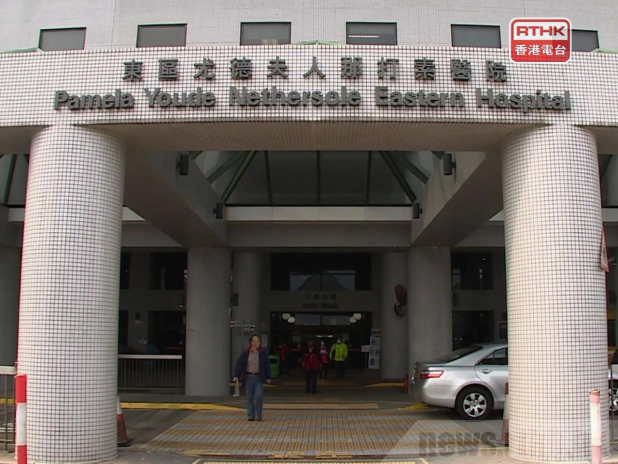
The case involved a 12-year-old girl with underlying health conditions. She developed a fever, cough and diarrhoea on October 17, followed by vomiting. Her condition worsened on the evening of October 19 and she was brought to the Accident and Emergency Department of Pamela Youde Nethersole Eastern Hospital. She suffered a cardiac arrest and was resuscitated. She was admitted to the paediatric intensive care unit for treatment. Her respiratory specimen tested positive for influenza A (H1) virus. Her clinical diagnosis was influenza A infection complicated with septic shock, disseminated intravascular coagulation and multi-organ failure. The patient passed away yesterday (October 20).

  The CHP's preliminary investigation revealed that the patient had no travel history during the incubation period and had not received the 2026/27 Seasonal Influenza Vaccination (SIV). One of her household contacts recently developed mild upper respiratory symptoms, but the symptoms were mild and did not require hospitalisation. The CHP will continue to investigate the case. The case will be referred to the Coroner.
-snip-
"The CHP's analysis of data from the previous year revealed that the rate of severe complications or death among unvaccinated children following influenza infection was approximately five times higher than that among vaccinated children. Among unvaccinated residents aged 65 years or older living in residential care homes for the elderly, the rate of severe complications was approximately four times higher than that among vaccinated residents. These data clearly demonstrate that SIV is the most effective way to prevent severe cases of seasonal influenza and its complications.

... https://www.info.gov.hk/gia/general/202610/21/P2026102100753.htm
 
Falling child vaccination rates raise concern as Hong Kong flu deaths rise
Published: 2:15pm, 22 Oct 2026Updated: 5:19pm, 22 Oct 2026

Excerpt:
Centre for Health Protection controller Dr Edwin Tsui Lok-kin issued the warning as Hong Kong’s current flu season, which began in June, showed no sign of easing. He said authorities were monitoring possible changes in how the virus spreads after two consecutive summer flu seasons.
-snip-
“Last year, the flu season was pretty much over by week 18. We are now at about week 16, with no sign of it waning. So I expect this year’s season to be longer than last year.”
-snip-
“This change in the flu virus’s transmission patterns after the Covid-19 pandemic is something we need to examine with more scientific data,” Tsui said.


12yo girl becomes 2nd paediatric flu death this summer​

2026-10-21
Excerpt:
The case has been referred to the Coroner's Court.

CHP controller Edwin Tsui said that Hong Kong has recorded 25 severe paediatric infections since the current flu season began in late June.

Two passed away – including the girl – while three remained in hospital in either serious or critical condition. The rest had since recovered.
 
Ends/Friday, October 23, 2026
CHP records case of severe paediatric influenza infection
The Centre for Health Protection (CHP) of the Department of Health today (October 23) recorded a severe case of paediatric influenza infection. The CHP urged the public not to underestimate the seasonal influenza and to receive vaccinations as early as possible, especially those in high-risk groups, to protect their own health and that of their families. In addition, the public should maintain good personal and environmental hygiene at all times to prevent influenza and other respiratory illnesses.

The case involves a 3-year-old boy with underlying health conditions. He developed a fever and cough on October 20. He experienced mild shortness of breath the next day and was taken to a private clinic for treatment. On October 22, his condition worsened, and he was brought to the Accident and Emergency Department of Tuen Mun Hospital. He briefly lost consciousness, but was resuscitated and was admitted to the Pediatric Intensive Care Unit (PICU). His respiratory specimen tested positive for influenza A (H1) virus. The clinical diagnosis was influenza A infection complicated with asthma exacerbation, acute necrotising encephalopathy and septic shock. The patient remains hospitalised and is in critical condition.

The CHP's preliminary investigation revealed that the boy travelled to the United States during the incubation period and had not received the 2026/27 Seasonal Influenza Vaccination (SIV). One of his close contacts recently developed mild upper respiratory symptoms that did not require hospitalisation and has recovered. The CHP will continue to investigate the case.

"Hong Kong entered the influenza season in late June this year and the influenza season has lasted for nearly four months by now. Currently, local influenza activity remains at a high level. Over the past four weeks (from September 20 to October 17), the percentage of respiratory specimens testing positive for seasonal influenza viruses remained between 10.04 to 11.61 per cent. During the same period, the influenza admission rate in public hospitals also remained between 0.46 and 0.67 cases per 10 000 population. Both indicators were above the respective baseline thresholds of 4.94 per cent and 0.27 cases per 10 000 population. A cumulative total of 26 cases of severe paediatric influenza infection have been recorded in the current influenza season. Among these cases, 20 patients have recovered and been discharged from hospital, two are in serious condition, two are in critical condition, and two have passed away," said the Controller of the CHP, Dr Edwin Tsui.

... https://www.info.gov.hk/gia/general/202610/23/P2026102300702.htm
 
Ends/Wednesday, October 28, 2026
LCQ11: Measures to respond to the influenza surges
Following is a question by the Hon Dominic Lee and a written reply by the Secretary for Health, Professor Lo Chung-mau, in the Legislative Council today (October 28):

Question:

It is learnt that in recent months, there has been a substantial increase in the number of patients attending the Accident and Emergency (A&E) departments due to influenza and respiratory illnesses. The longest waiting time at certain A&E departments of public hospitals has exceeded 10 hours. In this connection, will the Government inform this Council:

-snip-

Reply:

President,

In consultation with the Department of Health (DH) and the Hospital Authority (HA), the reply to the questions raised by the Hon Dominic Lee is as follows :

Hong Kong is currently in the influenza season. Local influenza activity increased with fluctuations from late June this year, reaching the peak in early September, and currently remains at a high level. In mid-October, the percentage of influenza virus positive detections in respiratory specimens remained above the baseline level. The Centre for Health Protection of the DH anticipates that influenza activity will continue to fluctuate at a high level in the coming weeks. Although influenza activity has remained at a high level, there is currently no information suggesting that the increase in attendances arising from influenza and respiratory illnesses in recent months has placed an excessive burden on the Accident and Emergency (A&E) departments in public hospitals.

The A&E departments in public hospitals aim to provide A&E services for critically ill or seriously injured people and victims of disasters. At present, 18 public hospitals under the HA provide A&E services. The A&E departments implement a patient triage system under which patients are classified into five categories, namely Critical, Emergency, Urgent, Semi-urgent and Non-urgent, based on their clinical conditions, and receive treatment according to the priority of their urgency category. The HA's service targets specify that all Critical patients (i.e. 100 per cent) will receive immediate treatment. Patients classified as Emergency and Urgent are also accorded priority treatment upon arrival at the A&E departments, with the targets being that most Emergency patients (95 per cent) and Urgent patients (90 per cent) will be treated within 15 minutes and 30 minutes respectively.

Following the implementation of the fees and charges reform for public healthcare, the efficiency of A&E services for patients requiring emergency care in public hospitals has improved. Taking September 2026 as an example, the service targets for Category I (Critical) and Category II (Emergency) patients were fully achieved, with 100% of Critical patients receiving immediate treatment and Emergency patients being treated within 15 minutes. The proportion of Category III (Urgent) patients receiving treatment within 30 minutes reached 90.6 per cent, higher than the 83.1 per cent recorded in the same month last year. As for Category IV (Semi-urgent) and Category V (Non-urgent) patients, the average waiting time was 152 minutes, which was comparable to that of the same month last year.

-snip
The current influenza season has lasted for nearly four months to date. As of October 22, there had been a total of 26 cases of severe paediatric influenza infection (of which 20 had recovered and been discharged, two are in serious condition, two are in critical condition, and two have died). Among these cases, 16 patients had not received SIV in the preceding season. A total of 869 adult cases of severe influenza infection, including 599 deaths, have also been recorded so far in current influenza season. Among these cases, 459 patients had not received SIV in the preceding season. Members of the public are urged to receive SIV as early as possible in order to build an immunity barrier in the community and reduce the risk of severe illness and mortality.

continued: https://www.info.gov.hk/gia/general/202610/28/P2026102800299.htm
 
Ends/Thursday, October 29, 2026

CHP records case of severe paediatric influenza infection
The Centre for Health Protection (CHP) of the Department of Health today (October 29) recorded a severe case of paediatric influenza infection. The CHP urged the public, especially those in high-risk groups, not to underestimate the seasonal influenza and to receive vaccinations as early as possible. This is crucial for preventing severe cases of seasonal influenza and its complications, as well as protecting one's own health and that of their families. In addition, the public should maintain good personal and environmental hygiene at all times to prevent influenza and other respiratory illnesses.

The case involves a 14-month-old girl with good past health. She developed a fever and cough on October 26. On October 27, she had a convulsion and was brought to the Accident and Emergency Department of Tseung Kwan O Hospital. Her condition deteriorated on the same day and she was transferred to the paediatric intensive care unit of United Christian Hospital for further treatment. Her respiratory specimen tested positive for influenza A (H1) virus. Her clinical diagnosis was influenza A infection complicated with acute necrotising encephalopathy and multi-organ failure. The patient is currently in critical condition.

The CHP's preliminary investigation revealed that the girl had no travel history during the incubation period and had not received the Seasonal Influenza Vaccination (SIV). One of her close contacts recently developed mild upper respiratory symptoms that did not require hospitalisation and has recovered. The CHP will continue to investigate the case.

"Hong Kong entered the influenza season in late June this year and the influenza season has lasted for four months by now. Over the past week (October 18 to 24), the overall influenza activity showed signs of decline but remained above the baseline thresholds. A cumulative total of 27 cases of severe paediatric influenza infection have been recorded in the current influenza season. Among these cases, 20 patients have recovered and been discharged from hospital, two are in stable condition, three are in critical condition and two have passed away," said the Controller of the CHP, Dr Edwin Tsui.

... https://www.info.gov.hk/gia/general/202610/29/P2026102900584.htm
 
Ends/Saturday, October 31, 2026
CHP records case of severe paediatric influenza infection
The Centre for Health Protection (CHP) of the Department of Health today (October 31) recorded a severe case of paediatric influenza infection. The CHP urged the public, especially those in high-risk groups, not to underestimate the seasonal influenza and to receive vaccinations as early as possible. This is crucial for preventing severe cases of seasonal influenza and its complications, as well as protecting one's own health and that of their families. In addition, the public should maintain good personal and environmental hygiene at all times to prevent influenza and other respiratory illnesses.

The case involves a seven-year-old girl with underlying illness. She developed a runny nose, diarrhoea and abdominal pain on October 29. On October 30, she had a fever and convulsion and was brought to the Accident and Emergency Department of Tuen Mun Hospital. Her condition subsequently deteriorated and she was transferred to the hospital's paediatric intensive care unit for further treatment. Her respiratory specimen tested positive for influenza A (H1) virus. Her clinical diagnosis was influenza A infection complicated with septic shock. The patient is currently in critical condition.

The CHP's preliminary investigation revealed that the girl had no travel history during the incubation period and had not received the 2026/27 Seasonal Influenza Vaccination (SIV). Her household contacts have remained asymptomatic recently. Three of her classmates have recently developed mild flu-like symptoms without the need for hospitalisation. The CHP has advised the school to implement appropriate infection control measures and will continue to investigate the case.

"Hong Kong entered the influenza season in late June this year and the influenza season has lasted for four months by now. The latest surveillance data showed that the overall influenza activity showed signs of decline but remained above the baseline level. A cumulative total of 28 cases of severe paediatric influenza infection have been recorded in the current influenza season. Among these cases, 20 patients have recovered and been discharged from hospital, two are in stable condition, four are in critical condition and two have passed away," said the Controller of the CHP, Dr Edwin Tsui.

"Vaccine effectiveness begins to wane approximately nine months after vaccination. Therefore, the World Health Organization recommends receiving SIV every year. For most people, more than nine months have passed since they received last season's (2025/26) SIV. Hence, a decline in protection is inevitable. A decline in the overall population's herd immunity, coupled with the fact that the current influenza season has persisted at high levels for an extended period, has increased the likelihood of infection and severe complications among high-risk groups. Individuals who have contracted influenza earlier this influenza season but have not yet received the SIV should also get vaccinated promptly to protect against other circulating virus strains. Receiving SIV is the most effective way to prevent severe cases of seasonal influenza and its complications. SIV also reduces the risk of hospitalisation and death. Therefore, all people aged six months or above, except those with known contraindications, should receive SIV for personal protection as early as possible," he added.

The CHP's analysis of data from the previous year revealed that the rate of severe complications or death among unvaccinated children following influenza infection was approximately five times higher than that among vaccinated children. Among unvaccinated residents aged 65 years or older living in residential care homes for the elderly, the rate of severe complications was approximately four times higher than that among vaccinated residents.

The 2026/27 SIV programmes, including the SIV School Outreach Programme (SIVSOP), commenced on September 17. The SIVSOP this year has introduced a new Electronic Consent Form (e-consent form) feature via eHealth. This new measure not only enables the public to join the SIV Programmes but also streamlines the administrative procedures for healthcare service providers and schools, so that SIV outreach activities can start as early as possible. About 1 600 schools have organised SIV outreach activities. SIV outreach activities are expected to be completed by mid-December, about two weeks earlier than last year.

The health condition of children with influenza can deteriorate rapidly. Parents must pay close attention to their condition and visit an accident and emergency department immediately if the child's condition deteriorates with symptoms such as shortness of breath, wheezing, blue lips, chest pain, confusion, a persistent fever or convulsions. Members of the public should seek medical attention as soon as possible if they develop respiratory symptoms. If they live with members of high-risk groups, such as children, the elderly and those with underlying illnesses or compromised immune systems, they should wear a surgical mask at home to reduce the risk of infecting them. Other effective ways to reduce the spread of the disease include maintaining household hygiene, frequently cleaning and disinfecting frequently touched surfaces, practising good hand hygiene, and ensuring proper indoor air circulation.

 
Ends/Monday, November 2, 2026
CHP records case of severe paediatric influenza infection

The Centre for Health Protection (CHP) of the Department of Health today (November 2) recorded a severe case of paediatric influenza infection. The CHP urged the public not to underestimate the seasonal influenza and to receive vaccinations as early as possible. This is crucial for preventing severe cases of seasonal influenza and its complications, as well as protecting one's own health and that of their families. In addition, the public should maintain good personal and environmental hygiene at all times to prevent influenza and other respiratory illnesses.

The case involves a 7-year-old girl with good past health. She developed a fever, cough and malaise on October 27 and subsequently visited a private clinic for medical attention. Due to her persistent symptoms, she was brought to the Accident and Emergency Department of Kwong Wah Hospital on October 29 and was admitted for treatment. As her condition deteriorated, and she developed respiratory distress, she was transferred to the paediatric intensive care unit. Her respiratory specimen tested positive for influenza A (H1) virus. Her clinical diagnosis was influenza A infection complicated with severe pneumonia. The patient is currently in serious condition.

The CHP's preliminary investigation revealed that the girl had no travel history during the incubation period and had not received the Seasonal Influenza Vaccination (SIV). One of her household contacts recently developed a fever and mild upper respiratory symptoms that did not require hospitalisation and has recovered. The CHP will continue to investigate the case.

-snip-
A cumulative total of 29 cases of severe paediatric influenza infection have been recorded in the current influenza season. Among these cases, 20 patients have recovered and been discharged from hospital, two are in stable condition, one is in serious condition, four are in critical condition and two have passed away," said the Controller of the CHP, Dr Edwin Tsui.

... https://www.info.gov.hk/gia/general/202611/02/P2026110200554.htm
 
CHP
Seasonal Influenza Page (November 2026)

1 November 2026
Seasonal influenza is a common respiratory tract infection caused by human seasonal influenza viruses. It is totally different from avian influenza and influenza pandemic. In Hong Kong, seasonal influenza is usually more common in periods from January to March/April and from July to August.

In contrast, avian influenza (AI) is caused by those influenza viruses that mainly affect birds and poultry, such as chickens or ducks. These AI viruses are distinct from human seasonal influenza viruses. Since the AI viruses does not commonly infect human, there is little or no immune protection against them in the human population. People mainly become infected with AI through direct contact with infected birds and poultry (live or dead), their droppings or contaminated environments.

Influenza pandemic occurs roughly every 10 – 50 years and may strike anytime. It is caused by emergence and global spread of a novel influenza virus originated from an animal influenza virus (e.g. avian influenza virus) undergoing major genetic changes resulting in efficient human-to-human transmission. The human population has low or no immunity against the emerging pandemic influenza virus. Influenza pandemic is usually associated with a great number of cases, higher severity of illness, a higher death toll and consequently greater social and economic disruption.

For more details on seasonal influenza and its prevention, please refer to Seasonal Influenza.

For details on seasonal influenza vaccination, please refer to Vaccination Schemes and Vaccination for Seasonal Influenza.

For other languages [हिन्दी (Hindi), नेपाली (Nepali), اردو (Urdu), ไทย (Thai), Bahasa Indonesia, Tagalog, Tiếng Việt (Vietnamese), ਪੰਜਾਬੀ (Punjabi)], please click here

 
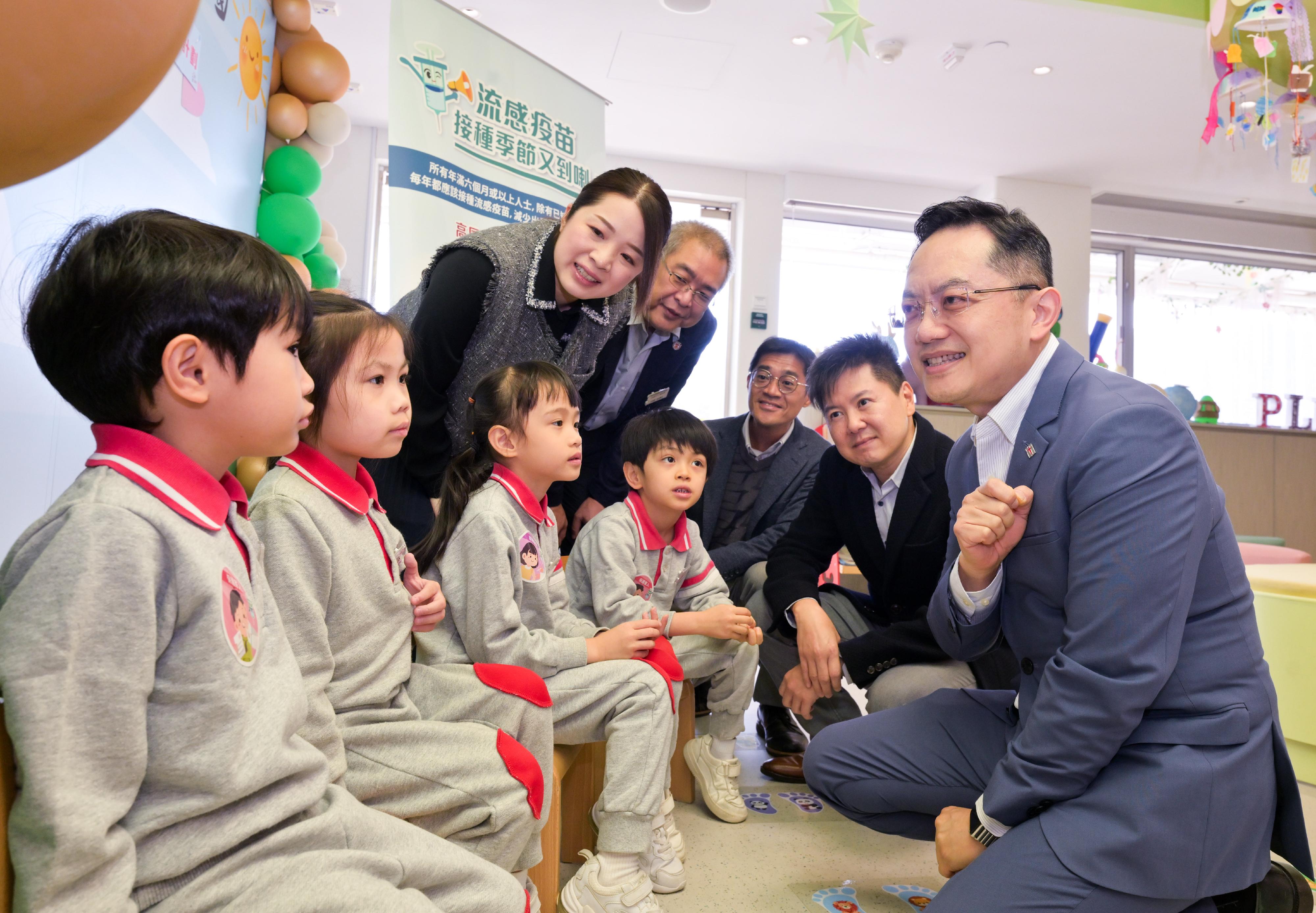
Director of Health visits kindergarten to inspect arrangements for Seasonal Influenza Vaccination school outreach activity, and encourages schools and parents in Hong Kong to promptly arrange for their children to be vaccinated in order to build strong immunity barrier


Ends/Wednesday, November 11, 2026

The Director of Health, Dr Ronald Lam, visited Po Leung Kuk Yip Ng Bun Bun Kindergarten in Tseung Kwan O this morning (November 11) to inspect the arrangements for the Seasonal Influenza Vaccination School Outreach Programme (SIVSOP). He urged schools and parents across Hong Kong to arrange for schoolchildren to receive seasonal influenza vaccinations (SIV) as soon as possible, in order to reduce the risk of serious illness or death from seasonal influenza.

"Thanks to the careful preparation and thoughtful arrangements by school administrators and outreach medical teams, the vaccination outreach activity has been smooth and orderly, regardless of whether students chose the live attenuated influenza vaccines (i.e. nasal LAIV) or the injectable inactivated influenza vaccines (IIV). The SIVSOP began slightly more than a month ago. Since then, more than 1 900 participating schools have completed the outreach vaccination activities, and the rest are expected to finish by mid-December. In this regard, I would like to express my sincere gratitude to all the schools and the outreach medical teams for their strong support. Together, we have built a solid immunity barrier in schools to protect our children and reduce their risk of serious illness or death from seasonal influenza," said Dr Lam.

"To encourage schoolchildren to receive SIV, the Government has introduced a new Electronic Consent Form (e-consent form) feature on the eHealth mobile application this year to streamline the procedures. The e-consent form not only significantly simplifies the process for parents to repeatedly fill in personal particulars, but also effectively reduces the administrative workload of schools and outreach medical teams by streamlining the verification process. This has been one of the key factors that enabled the vaccination activities this year to be completed ahead of schedule. The Centre for Health Protection (CHP) will continue to review and optimise its services to provide the greatest convenience to schools, parents and outreach medical teams," Dr Lam continued.

This year, the CHP continued to allow schools to opt for the "hybrid mode", which provides both the IIV and the nasal LAIV during the same outreach vaccination activity. The CHP began accepting school enrolments for the 2026/27 SIVSOP as early as the beginning of June this year. With the concerted efforts of the Government and various community sectors (including the medical sector and schools), over 2 200 schools (99 per cent of the total) will arrange SIV school outreach activities. The first school outreach activity took place on September 18, i.e. the day after the commencement of the SIVSOP. All in all, this season's school outreach activities will generally be completed earlier than last season's.

The Controller of the CHP, Dr Edwin Tsui, who accompanied Dr Lam during the visit, said, "The CHP's epidemiological investigation indicated that the characteristics of severe or death cases related to seasonal influenza during this influenza season are similar to those in previous years, affecting primarily the elderly and children. Only through close co-operation among the Government, schools and parents to increase vaccination coverage can we effectively strengthen the immune barrier for schoolchildren. Hong Kong entered the influenza season in late June this year, and the influenza season has lasted for more than four months by now. The latest surveillance data showed that the overall influenza activity has declined but remains above the baseline levels. A cumulative total of 29 cases of severe paediatric influenza infection have been recorded in the current influenza season. Among these cases, 22 patients have recovered and been discharged from hospital, two are in stable condition, three are in critical condition, and two have passed away. The CHP's analysis of data from the previous year revealed that the rate of severe complications or death among unvaccinated children following influenza infection was approximately five times higher than that among vaccinated children. The CHP also analysed the severe influenza cases of this season and found that the vast majority involved high-risk factors, including underlying health conditions or failure to receive SIV for this season."

Dr Tsui emphasised that all individuals aged 6 months or older, except those with known contraindications, should act promptly to receive SIV if they have not yet done so, including individuals who contracted influenza during the summer influenza season, to guard against other circulating virus strains that may emerge during the upcoming winter influenza season.

To facilitate members of the public in receiving SIV, eligible persons may receive SIV at about 270 public service points, including around 110 designated clinics under the Department of Health located in various districts across the territory (including all 29 Maternal and Child Health Centres (MCHCs) for all children aged 6 months to under 2 years); 76 Family Medicine Clinics and 38 public hospitals under the Hospital Authority; and 45 District Health Centres, District Health Centre Expresses and their service points under the Primary Healthcare Commission. For the list of vaccination venues, please refer to the CHP's SIV Programmes webpage. Parents/guardians of eligible children may also book a vaccination appointment for their children at designated MCHCs via the online booking system.

Furthermore, over 1 900 private doctors currently participate in the Vaccination Subsidy Scheme (VSS), providing services at over 3 200 service points across all districts in Hong Kong. For the list of VSS doctors, please visit apps.hcv.gov.hk/public/en/SPS/Search.

Members of the public may refer to the CHP's Seasonal Influenza Webpage and Vaccination Schemes Webpage for details of the latest influenza activity and vaccination schemes.

 
Back
Top Bottom