
Chikungunya virus disease - Switzerland
17 November 2026
Situation at a glance
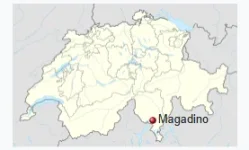
On 4 November 2026, health authorities in the canton of Ticino, Switzerland, in coordination with federal authorities, reported four locally acquired cases of chikungunya virus disease. These are the first reported locally acquired chikungunya cases in Switzerland. The earliest reported symptom onset was 10 August 2026, although this infection was identified retrospectively and the source of infection could not be identified. All cases were identified in October 2026. None of the affected individuals reported recent travel to areas with known chikungunya virus transmission, and all four resided in the same geographically defined area. All cases had a favourable clinical course, although joint symptoms persisted in some individuals. The Asian tiger mosquito (Aedes albopictus), a competent vector for chikungunya virus, is established in several Swiss cantons, including Ticino. Public health authorities have implemented active case finding, enhanced health care-provider awareness, entomological investigations, targeted vector-control interventions and risk communication. No additional suspected cases were identified through enhanced surveillance and active case finding among health care providers and the two emergency departments serving the affected area. Based on the currently available information and the seasonal decline in mosquito activity, the risk of further local transmission is considered low. However, the event demonstrates that local chikungunya transmission is possible in Switzerland following introduction of the virus into areas where competent Aedes mosquito populations are established.
Description of the situation
On 4 November 2026, health authorities in the canton of Ticino, Switzerland, in coordination with federal authorities, reported four locally acquired cases of chikungunya virus disease.
The earliest reported symptom onset was 10 August 2026. This infection was identified retrospectively, and the source of infection is not known. The first laboratory-positive case was detected on 9 October through positive chikungunya virus-specific immunoglobulin M (IgM) serology. Additional cases were identified and confirmed on 13, 22 and 23 October. Laboratory investigations included chikungunya virus-specific serological testing and molecular detection by polymerase chain reaction (PCR). Three cases tested positive for chikungunya virus-specific IgM antibodies, including one that was also PCR-positive, while the fourth case tested positive for chikungunya virus-specific Immunoglobulin G (IgG) antibodies.
None of the four individuals reported recent travel to areas with known chikungunya virus transmission. They resided in the same geographically defined area. Their spatial and temporal proximity, together with the absence of recent travel, strongly suggests locally acquired mosquito-borne infection. However, a common source or direct epidemiological link between all cases could not be established.
All four individuals had a favourable clinical course and were in good health at the time of reporting, although joint symptoms persisted in some cases. Active case finding among health care providers and local emergency departments did not identify additional suspected cases.
Entomological investigations were conducted in the affected area. A relatively low abundance of
Ae. albopictus was observed, and chikungunya virus ribonucleic acid (RNA) was not detected by reverse transcription polymerase chain reaction (RT-PCR) in the mosquitoes that were collected and tested. These negative results do not exclude local transmission.
The detection of locally acquired infections in Switzerland was concurrent with locally acquired chikungunya transmission elsewhere in Europe during summer and autumn 2026. As of 4 November 2026, France had reported 207 locally acquired cases. Italy had reported one locally acquired case in Rome, with symptom onset in August.
Epidemiology
Chikungunya is a mosquito-borne viral disease caused by chikungunya virus, an RNA virus belonging to the
Alphavirus genus of the family
Togaviridae. The virus is transmitted to humans primarily through the bites of infected female
Aedes aegypti and
Aedes albopictus mosquitoes. These mosquito species can also transmit other arboviruses, including dengue and Zika viruses, and bite primarily during daylight hours.
Symptoms generally develop 4 to 8 days after the bite of an infected mosquito, although the incubation period can range from 2 to 12 days. Chikungunya is characterized by an abrupt onset of fever, frequently accompanied by severe joint pain. Other symptoms may include joint stiffness, arthritis, headache, fatigue and rash. Most patients recover fully, but joint pain can persist for weeks, months or, in some cases, years.
Severe disease and deaths are uncommon but may occur, particularly among newborns infected around the time of birth, older adults and people with underlying health conditions. There is no specific antiviral treatment for chikungunya virus infection. Clinical management is symptomatic and supportive, with particular attention to pain management.
Chikungunya continues to pose a public health threat across WHO regions in 2026. From 1 January through 30 September 2026, 327 086 cases, including 83 660 confirmed cases and 98 deaths, were reported globally, according to the
WHO global chikungunya surveillance dashboard. The WHO Region of the Americas and the WHO South-East Asia Region accounted for the largest proportions of reported cases.
Public health response
The Cantonal Medical Office in Ticino, in collaboration with the University of Applied Sciences and Arts of Southern Switzerland, municipal authorities and the relevant federal authorities, has implemented the following measures:
- Epidemiological investigation and active case finding: A broader epidemiological investigation was initiated on 22 October 2026 following identification of the third case. Health care providers practising in the affected area and the two emergency departments serving the local population were contacted to increase awareness and facilitate the detection of potentially unrecognized infections. An official communication was subsequently distributed to all practising physicians in Ticino, encouraging increased clinical vigilance. No additional suspected cases were identified through active case finding.
- Vector-control measures: Targeted vector-control measures began on 26 October and included door-to-door interventions, such as to kill adult mosquitoes and treatment of standing water to kill larvae. These emergency interventions supplemented the routine mosquito-control programme implemented throughout Ticino.
- Entomological surveillance: Mosquitoes collected in the affected area were tested by RT-PCR, with no chikungunya virus RNA detected. Established entomological surveillance continues at multiple monitoring sites in Ticino.
- Risk communication and prevention: Public communication activities were implemented to increase awareness among the general population and health care professionals. Messages emphasized personal protection against mosquito bites and continued action to prevent and control Ae. albopictus. Travellers returning from affected areas were advised to protect themselves from mosquito bites for 14 days after their return to reduce the possibility of onward local transmission.
WHO risk assessment
The public health impact of the currently reported event in Switzerland is expected to be limited. Four locally acquired cases were identified within a geographically defined area. All four individuals had a favourable clinical course, and no additional suspected cases were identified despite active case finding and enhanced epidemiological surveillance. No evidence of sustained local transmission has been identified.
The occurrence of the first documented locally acquired chikungunya virus infections in Switzerland demonstrates that local transmission is possible following introduction of the virus into areas where competent
Ae. albopictus populations are established. This highlights the importance of maintaining clinical awareness, surveillance, preparedness, early diagnosis and appropriate case management.
The likelihood of sustained transmission is influenced by seasonal and climatic conditions affecting mosquito abundance, survival and vector competence. Climatic conditions in Ticino during summer 2026 were highly favourable for
Ae. albopictus development and virus transmission, particularly in August, when the earliest suspected locally acquired infection is likely to have occurred. By early October, when the other cases were detected, meteorological conditions were considerably less favourable for mosquito development and activity.
As mosquito activity typically decreases with the progression of autumn, the risk of further transmission is considered low under the current epidemiological and seasonal conditions, and additional locally acquired cases are considered unlikely. The presence of established competent vectors means that future introductions by infected travellers could lead to localized transmission during periods of mosquito activity.
The established
Ae. albopictus surveillance and control programme in Ticino, which has been in place since 2000, has maintained relatively low and stable mosquito densities and is considered an important factor limiting the potential for local transmission and spread. Over the longer term, changes in temperature, precipitation and seasonality may expand the geographical areas and periods suitable for
Ae. albopictus and
Aedes-borne virus transmission in Switzerland.
WHO advice
WHO recommends that affected and unaffected States Parties, particularly those where competent
Aedes vectors are established, maintain epidemiological surveillance and laboratory capacity for the timely detection and confirmation of chikungunya virus infection. Epidemiological and entomological surveillance should be integrated with timely vector-control measures around suspected or confirmed locally acquired cases.
Prevention and control measures should focus on reducing mosquito breeding sites and protecting people against mosquito bites. Recommended measures include wearing clothing that minimizes skin exposure, applying appropriate mosquito repellents in accordance with product instructions, and using physical barriers where appropriate.
People with suspected or confirmed chikungunya virus infection should avoid mosquito bites during the viraemic period to reduce the possibility that mosquitoes acquire the virus and subsequently transmit it to other people.
Travellers to areas with chikungunya virus transmission should take precautions against mosquito bites. Travellers returning to areas where competent vectors are established should continue to protect themselves against mosquito bites after their return to reduce the risk of introducing the virus into local mosquito populations.
Chikungunya vaccines have received regulatory approval in several countries, although vaccine availability and national recommendations vary. In Switzerland, Vimkunya® has been authorized since April 2026 for people aged 12 years and older. According to Swiss recommendations, vaccination is recommended for travellers to areas abroad experiencing an ongoing chikungunya outbreak and may be considered for prolonged or repeated stays in areas with an increased risk of chikungunya following an individual risk assessment.
Based on the currently available information, WHO advises against any restriction of travel to, or trade with, States Parties experiencing or responding to the public health event.
...
On 4 November 2026, health authorities in the canton of Ticino, Switzerland, in coordination with federal authorities, reported four locally acquired cases of chikungunya virus disease. These are the first reported locally acquired chikungunya cases in Switzerland. The earliest reported symptom...

www.who.int



 www.rts.ch