

Pathfinder
Editor, Senior Moderator
UK flu levels continue to increase according to PHE statistics
Seasonal flu levels have continued to increase in the last week across the UK according to figures published by Public Health England today.
Published 11 January 2018
From: Public Health England
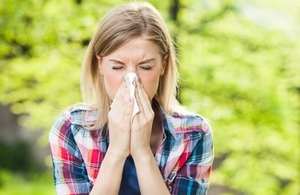 The latest Public health England (PHE) statistics published at 14.00 today show that seasonal flu levels have continued to increase in the last week across the UK.
The statistics show over the last week there has been a 78% increase in the GP consultation rate with flu like illness, a 50% increase in the flu hospitalisation rate, and a 65% increase in the flu intensive care admission rate. The main strains circulating continue to be flu A(H3N2), A(H1N1) and Flu B.
PHE and the Department for Health this morning launched the ‘Catch It, Bin It, Kill It’ campaign. The campaign includes radio, press and digital advertising to inform the public about the steps they can take to protect themselves and reduce spread of the virus by practising good respiratory hand hygiene. Dr Paul Cosford, Medical Director of PHE, Sir Bruce Keogh, Medical Director of NHS England and the Chief Medical Officer Dame Sally Davies have also written to all frontline healthcare workers to encourage them to take up the offer of the vaccine if they haven’t already.
The flu virus can live for many hours on hard surfaces and therefore practising good hand hygiene can limit the spread of germs and transmission of flu. People are advised to catch coughs and sneezes in a tissue, bin it, and then wash their hands afterwards to kill the germs. Practising good hand hygiene and giving eligible people the flu vaccine is the best defence against the virus.
Professor Paul Cosford, Medical Director, Public Health England said:
Amongst other diseases like norovirus that normally increase during winter, seasonal flu puts extra pressure on the NHS every year.
The latest data is available online. Currently, 71.3% of adults over 65, 46.9% of adults with a long-term health condition, 45.5% of pregnant women, 40.8% of 3-year-olds and 42% of 2-year-olds have received the vaccine.
https://www.gov.uk/government/news/u...phe-statistics
Seasonal flu levels have continued to increase in the last week across the UK according to figures published by Public Health England today.
Published 11 January 2018
From: Public Health England
The statistics show over the last week there has been a 78% increase in the GP consultation rate with flu like illness, a 50% increase in the flu hospitalisation rate, and a 65% increase in the flu intensive care admission rate. The main strains circulating continue to be flu A(H3N2), A(H1N1) and Flu B.
PHE and the Department for Health this morning launched the ‘Catch It, Bin It, Kill It’ campaign. The campaign includes radio, press and digital advertising to inform the public about the steps they can take to protect themselves and reduce spread of the virus by practising good respiratory hand hygiene. Dr Paul Cosford, Medical Director of PHE, Sir Bruce Keogh, Medical Director of NHS England and the Chief Medical Officer Dame Sally Davies have also written to all frontline healthcare workers to encourage them to take up the offer of the vaccine if they haven’t already.
The flu virus can live for many hours on hard surfaces and therefore practising good hand hygiene can limit the spread of germs and transmission of flu. People are advised to catch coughs and sneezes in a tissue, bin it, and then wash their hands afterwards to kill the germs. Practising good hand hygiene and giving eligible people the flu vaccine is the best defence against the virus.
Professor Paul Cosford, Medical Director, Public Health England said:
Our data shows that more people are visiting GPs with flu symptoms and we are seeing more people admitted to hospital with flu.
We are currently seeing a mix of flu types, including the A(H3N2) strain that circulated last winter in the UK and then in Australia. The A(H3N2) strain particularly affects older, more vulnerable age groups.
We encourage anyone who is eligible to take up their offer of the flu vaccine – it is not too late. People suffering with flu-like symptoms should catch coughs or sneezes in tissues and bin them immediately, wash their hands regularly with soap and warm water and frequently clean regularly used surfaces to stop the spread of flu. Avoid having unnecessary contact with other people if you or they have symptoms of flu.
Seasonal flu usually circulates for several weeks each year. The intensity of circulation depends upon the underlying population immunity, the circulating viruses and external factors such as the weather. It is an unpredictable virus and it is not possible to anticipate how flu levels will progress.We are currently seeing a mix of flu types, including the A(H3N2) strain that circulated last winter in the UK and then in Australia. The A(H3N2) strain particularly affects older, more vulnerable age groups.
We encourage anyone who is eligible to take up their offer of the flu vaccine – it is not too late. People suffering with flu-like symptoms should catch coughs or sneezes in tissues and bin them immediately, wash their hands regularly with soap and warm water and frequently clean regularly used surfaces to stop the spread of flu. Avoid having unnecessary contact with other people if you or they have symptoms of flu.
Amongst other diseases like norovirus that normally increase during winter, seasonal flu puts extra pressure on the NHS every year.
The latest data is available online. Currently, 71.3% of adults over 65, 46.9% of adults with a long-term health condition, 45.5% of pregnant women, 40.8% of 3-year-olds and 42% of 2-year-olds have received the vaccine.
https://www.gov.uk/government/news/u...phe-statistics