

Pathfinder
Editor, Senior Moderator
UK flu levels remain high according to PHE statistics
Seasonal flu levels have continued to increase in the last week across the UK.
Published 11 January 2018
Last updated 25 January 2018 — see all updates
From: Public Health England
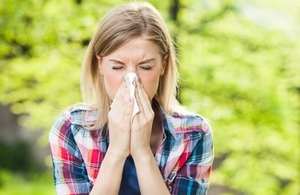
The latest Public Health England (PHE) report published at 2pm today, Thursday 25 January 2018, shows that seasonal flu continues to circulate across the UK. However, rates across most indicators have remained relatively stable.
The statistics show over the last week there has been a stabilisation in the GPconsultation rate with flu-like illness, a 12% reduction in the flu hospitalisation rate, and a 14% reduction in the flu intensive care admission rate. The main strains circulating continue to be flu A(H3N2), A(H1N1) and Flu B.
The report also shows that in weeks 50, 2017 to week 3 of 2018, statistically significant excess mortality from all causes continues to be observed in over-65s in England. Although this currently remains lower than the excess mortality observed last season and in 2014 to 2015. These excess deaths cannot with certainty be attributed to specific causes, but flu and the very cold weather that some areas have seen since Christmas are likely to be contributing factors.
The ‘Catch It, Bin It, Kill It’ campaign continues to run across digital, radio and press advertising platforms to inform the public about the steps they can take to protect themselves and reduce spread of the virus by practising good respiratory hand hygiene. Rates of vaccination across all eligible populations have increased on last season and we have vaccinated over one and a half million more people compared to the same period last year.
Richard Pebody, Acting Head of the Respiratory Diseases Department at Public Health England said:
The flu virus can live for many hours on hard surfaces and therefore practising good hand hygiene can limit the spread of germs and transmission of flu. People are advised to catch coughs and sneezes in a tissue, bin it, and then wash their hands afterwards to kill the germs. Practising good hand hygiene and giving eligible people the flu vaccine is the best defence against the virus.
People suffering with flu-like symptoms should catch coughs or sneezes in tissues and bin them immediately, wash their hands regularly with soap and warm water and frequently clean regularly used surfaces to stop the spread of flu. Avoid having unnecessary contact with other people if you or they have symptoms of flu.
Seasonal flu usually circulates for several weeks each year. The intensity of circulation depends upon the underlying population immunity, the circulating viruses and external factors such as the weather. It is an unpredictable virus and it is not possible to anticipate how flu levels will progress.
Amongst other diseases like norovirus that normally increase during winter, seasonal flu puts extra pressure on the NHS every year.
The latest data is available online. Currently, 72.1% of adults over 65, 48.2% of adults with a long-term health condition, 46.7% of pregnant women, 43.4% of 3-year-olds, 42.1% of 2-year-olds and 63.9% of healthcare workers have received the vaccine.
Share this page
Published 11 January 2018
Last updated 25 January 2018
https://www.gov.uk/government/news/u...phe-statistics
Seasonal flu levels have continued to increase in the last week across the UK.
Published 11 January 2018
Last updated 25 January 2018 — see all updates
From: Public Health England
The latest Public Health England (PHE) report published at 2pm today, Thursday 25 January 2018, shows that seasonal flu continues to circulate across the UK. However, rates across most indicators have remained relatively stable.
The statistics show over the last week there has been a stabilisation in the GPconsultation rate with flu-like illness, a 12% reduction in the flu hospitalisation rate, and a 14% reduction in the flu intensive care admission rate. The main strains circulating continue to be flu A(H3N2), A(H1N1) and Flu B.
The report also shows that in weeks 50, 2017 to week 3 of 2018, statistically significant excess mortality from all causes continues to be observed in over-65s in England. Although this currently remains lower than the excess mortality observed last season and in 2014 to 2015. These excess deaths cannot with certainty be attributed to specific causes, but flu and the very cold weather that some areas have seen since Christmas are likely to be contributing factors.
The ‘Catch It, Bin It, Kill It’ campaign continues to run across digital, radio and press advertising platforms to inform the public about the steps they can take to protect themselves and reduce spread of the virus by practising good respiratory hand hygiene. Rates of vaccination across all eligible populations have increased on last season and we have vaccinated over one and a half million more people compared to the same period last year.
Richard Pebody, Acting Head of the Respiratory Diseases Department at Public Health England said:
We are continuing to see flu circulate, however, rates across most indicators have remained relatively stable and signs are that flu activity is starting to peak.
Rates of vaccination across all those eligible for the vaccine have increased on last season and we have vaccinated an additional one and a half million people. We are currently seeing a mix of flu types, including the A(H3N2) strain that circulated last winter in the UK and then in Australia and flu B.
The best form of protection against flu is to get the vaccine if you are eligible and to practice good respiratory and hand hygiene.
Whilst this is the most significant flu season since 2010 to 2011 in terms of GPactivity, the ICU indicators taken overall suggest that it is less severe at this stage than 2010 to 2011. And in terms of the impact on excess mortality, we have not reached yet the levels seen in 2014 to 2015 and 2016 to 2017.Rates of vaccination across all those eligible for the vaccine have increased on last season and we have vaccinated an additional one and a half million people. We are currently seeing a mix of flu types, including the A(H3N2) strain that circulated last winter in the UK and then in Australia and flu B.
The best form of protection against flu is to get the vaccine if you are eligible and to practice good respiratory and hand hygiene.
The flu virus can live for many hours on hard surfaces and therefore practising good hand hygiene can limit the spread of germs and transmission of flu. People are advised to catch coughs and sneezes in a tissue, bin it, and then wash their hands afterwards to kill the germs. Practising good hand hygiene and giving eligible people the flu vaccine is the best defence against the virus.
People suffering with flu-like symptoms should catch coughs or sneezes in tissues and bin them immediately, wash their hands regularly with soap and warm water and frequently clean regularly used surfaces to stop the spread of flu. Avoid having unnecessary contact with other people if you or they have symptoms of flu.
Seasonal flu usually circulates for several weeks each year. The intensity of circulation depends upon the underlying population immunity, the circulating viruses and external factors such as the weather. It is an unpredictable virus and it is not possible to anticipate how flu levels will progress.
Amongst other diseases like norovirus that normally increase during winter, seasonal flu puts extra pressure on the NHS every year.
The latest data is available online. Currently, 72.1% of adults over 65, 48.2% of adults with a long-term health condition, 46.7% of pregnant women, 43.4% of 3-year-olds, 42.1% of 2-year-olds and 63.9% of healthcare workers have received the vaccine.
Share this page
Published 11 January 2018
Last updated 25 January 2018
https://www.gov.uk/government/news/u...phe-statistics